Poolside Pergola Ideas — Best Pergolas for Around the Pool in 2026
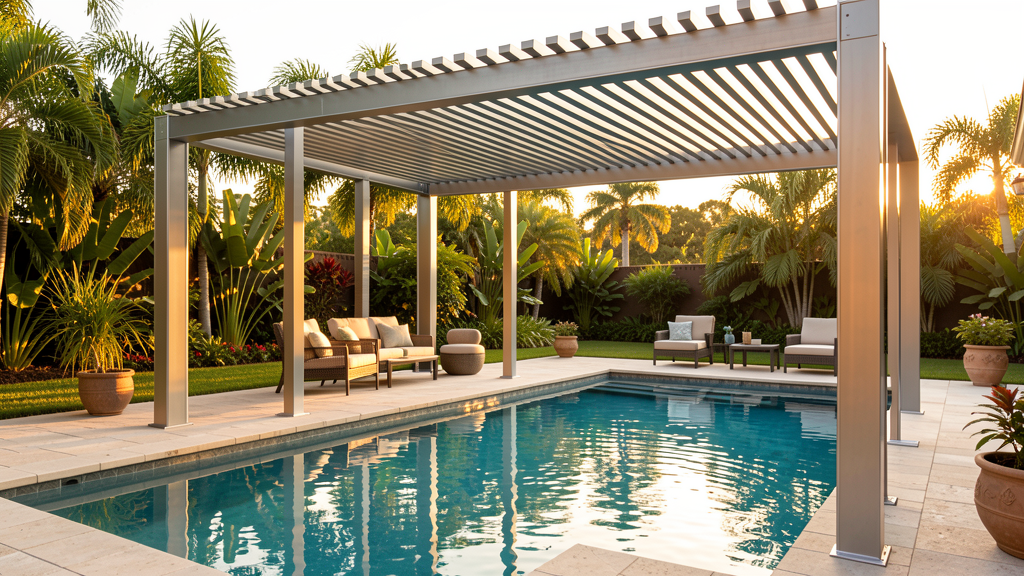
Poolside living is undergoing a transformation, and pergolas are at the center of it. A +450% rise in search interest for “poolside pergola” tells us what outdoor living enthusiasts already know: the right shade structure can completely redefine how you use your pool area. Whether you’re looking to create an elegant lounge space, protect yourself and guests from intense Texas UV, or simply add architectural interest to your backyard, a pergola designed specifically for pool environments delivers on all fronts. In this guide, we’ll walk you through everything you need to know about choosing, installing, and maintaining the perfect poolside pergola for your North Texas home.
Why a Pergola Around Your Pool Changes Everything
A pergola isn’t just another shade solution—it’s a lifestyle upgrade. Here’s why poolside pergolas have become the go-to choice for homeowners across Texas:
Partial shade without complete darkness. Unlike a full roof or dense canopy, a pergola’s slats allow dappled sunlight to filter through, creating a comfortable middle ground. You get meaningful UV protection while maintaining that open, airy feel that makes pool areas so inviting. This balance is crucial—you want to protect skin and reduce glare, but not turn your pool deck into a cave.
Looking to furnish your pergola area? Browse outdoor lounge chairs and seating on Amazon to complete your poolside retreat.
Humidity management. Pool areas are naturally humid, and that moisture needs somewhere to go. A pergola’s open design promotes air circulation far better than enclosed alternatives, preventing that sticky, uncomfortable feeling while still blocking direct sun. In North Texas summers, where temperatures regularly climb above 95°F, airflow means the difference between enjoyable poolside relaxation and unbearable heat.
Year-round value. In North Texas, a pergola works hard in summer and provides subtle protection during shoulder seasons. Unlike retractable awnings or shade sails that require deployment and can fail under Texas wind, there’s no mechanism to maintain—it’s always ready. Just set it and forget it, season after season.
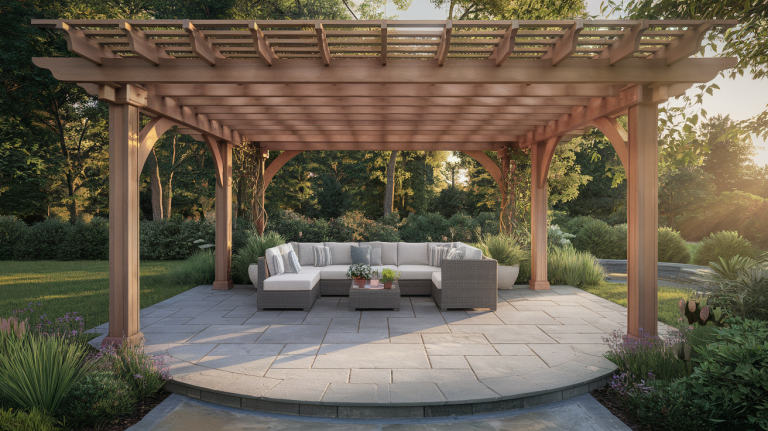
Design flexibility. Pergolas come in countless styles and materials. Whether your aesthetic is modern minimalist, traditional, or somewhere in between, you’ll find options that match your home’s architecture and your personal taste. From sleek aluminum louvered systems that look architectural to rustic cedar that blends into landscaping, pergolas adapt to your vision. That said, not all pergolas are created equal—especially when pool exposure enters the equation. Poolside environments demand materials and engineering built to last.
What to Look for in a Poolside Pergola
Poolside environments are demanding. Chlorine, salt water, intense sun, humidity, and wind all take their toll. When evaluating pergola options, focus on these critical factors to ensure your investment stands strong for years:
Corrosion resistance. This is non-negotiable. Chlorine and saltwater corrode many materials, turning an investment into an eyesore in just a few seasons. Look for pergolas with marine-grade finishes, powder coating, or inherently rust-resistant materials like vinyl or premium aluminum alloys. If choosing wood, it must be pressure-treated with pool-grade sealer—standard wood simply won’t survive chlorine spray and humidity.
UV stability. You’re placing your pergola in direct sunlight, often for 8+ hours daily during summer. Materials must resist UV fading and degradation. This rules out basic vinyl that yellows and brittle wood that cracks without protection. Seek out UV-stabilized composites or high-grade aluminum finishes engineered for outdoor use.
Wind engineering. Pergolas catch wind differently than walls. Texas thunderstorms and occasional high winds mean your structure needs proper engineering and anchoring. Aluminum louvered pergolas, in particular, need robust mounting and wind-rated hardware—which brings us to those critical post anchors and pergola hardware you’ll need from suppliers like Vevor. Under-engineered pergolas fail catastrophically; properly anchored ones become permanent fixtures that handle 50+ mph wind events.
Also consider weather-resistant outdoor furniture and decor on Amazon to pair with your pergola installation for maximum comfort and style.
Maintenance requirements. Wood looks beautiful but demands yearly sealing or staining in a pool environment. Vinyl is low-maintenance but can feel plastic-like and ages in 15+ years of direct sun. Aluminum louvered systems require occasional cleaning but resist corrosion and fading exceptionally well. Match the material to your willingness to maintain it—honestly assess your commitment before committing to wood.
Budget flexibility. Quality poolside pergolas range from $2,000 (DIY vinyl kits) to $15,000+ (installed motorized aluminum systems). Our guide to pergola installation costs breaks down pricing by material and installation method, so you can plan accordingly and understand what each tier delivers.
Best Poolside Pergola Types Compared
Not all pergola types are ideal for pool areas. Let’s compare the main options and help you decide which works best for your situation:
Aluminum Louvered Pergolas
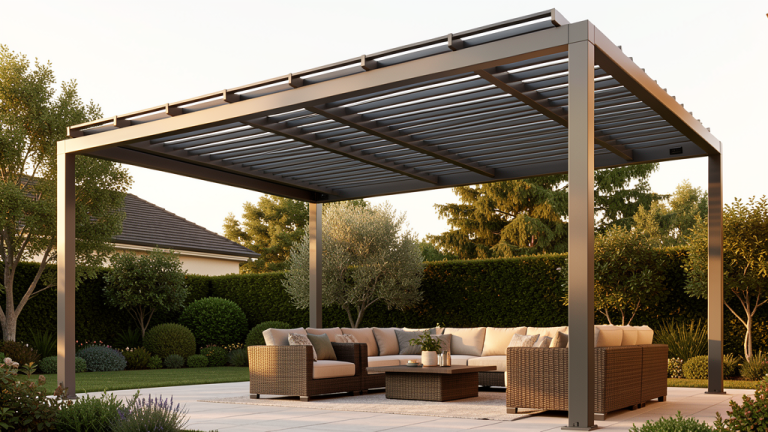
These are the premium choice for pools. Motorized (or manual) adjustable slats let you control shade from full sun to full coverage—crucial for pool lounging comfort. They’re durable, low-maintenance, and handle humidity beautifully. Most feature integrated gutters for rain management Pair with pergola gutter systems on Amazon to maximize water drainage and protect your patio. and powder-coated finishes that resist chlorine beautifully. The downside: cost ($8,000–$15,000+ installed) and the need for quality electrical work if motorized. For DFW homeowners who want the ultimate pergola experience with maximum flexibility, this is it. You’re investing in a system that will outlast your pool furniture by years.
Vinyl Pergolas
Maintenance-free and water-resistant, vinyl pergolas resist rot and won’t degrade in chlorinated spray. They’re also affordable ($2,000–$6,000 installed). Vinyl doesn’t splinter, won’t swell in humidity, and cleans easily with a garden hose. However, they don’t move, so shade is fixed at your chosen slat angle. Some vinyl can feel plastic-like, and extreme UV exposure can cause minor yellowing over many years of intense Texas sun. Great for budget-conscious homeowners who don’t mind fixed shade and want the easiest maintenance possible.
Wood Pergolas
Classic and warm, wood pergolas blend beautifully with landscaping and natural pool deck surroundings. Pressure-treated pine or cedar can withstand pool environments IF properly sealed and maintained annually. The catch: wood demands commitment. Expect yearly stain or sealer applications, especially in chlorinated spray zones. Beautiful but labor-intensive—treat it more as an art form than a set-it-and-forget-it structure.
Composite Pergolas
Engineered wood-plastic hybrids offer durability between vinyl and wood. They look more natural than vinyl but require less upkeep than wood. Prices fall in the mid-range ($4,000–$10,000). Some composites aren’t ideal poolside (moisture sensitivity varies by brand), so vet material specs carefully before purchasing.
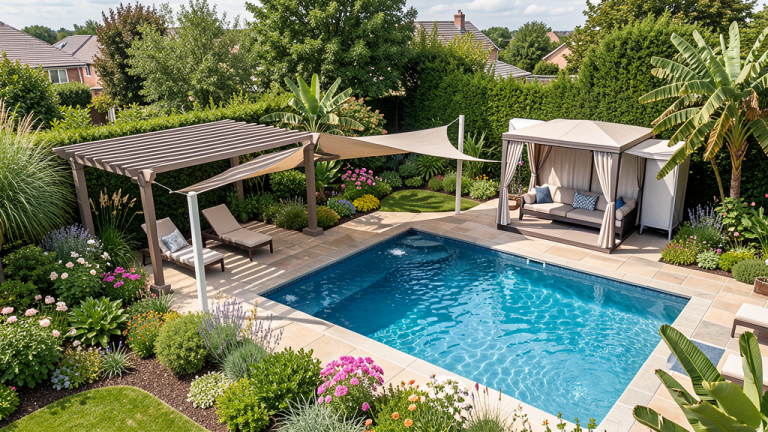
If you’re still weighing pergola options against other structures, our shade sail vs. pergola vs. awning comparison breaks down the pros and cons of each approach for pool environments.
Our Top Poolside Pergola Picks for 2026
Ready to shop? Here are four standout options across different budgets and styles, plus the hardware you’ll need to make them secure and beautiful for years to come.
1. Aluminum Louvered Pergola Kit (Motorized)
For the ultimate poolside experience, search Amazon for motorized aluminum pergola kits (our affiliate link). Look for models with UV-rated aluminum frames, powder-coated finishes, and integrated drainage systems. Most quality kits include remote control, weather sensors, and smart home integration. Motorized systems need quality electrical components—browse motorized pergola systems and remotes on Amazon for reliable options. Prices run $5,000–$12,000 depending on size and features. Professional installation adds another $2,000–$5,000, but the result is unmatched control and aesthetics that will impress guests and increase property value.
Best for: Homeowners who want maximum flexibility, are willing to invest in quality, and value year-round use with minimal effort.
2. Vinyl Pergola Assembly Kit (10×12)
Our budget-friendly recommendation: vinyl pergola kits on Amazon. These are DIY-friendly, cost $2,500–$4,500, and resist water damage beautifully. White or gray finishes hide dirt and blend into modern pool decks elegantly. Homeowners report 7–10 years of virtually maintenance-free service. Just inspect fasteners annually and clean off debris with occasional hosing. Most vinyl kits ship with all necessary hardware and detailed instructions.
Best for: DIY builders, budget-conscious shoppers, and homeowners in apartments or rented properties where portable assembly makes removal easier if you relocate.
3. Cedar Wood Pergola (Pressure-Treated, Pre-Stained)
For that classic warm aesthetic that can’t be replicated in synthetic materials, browse pre-stained cedar pergola kits on Amazon. Select kits that come factory-sealed for pool environments with pool-specific stains. Plan to restain every 12–18 months in your North Texas backyard—this is the trade-off for that authentic wood beauty. Costs range $3,000–$8,000 installed. Our Texas pergola heat guide includes wood care tips specific to our climate, humidity, and UV exposure patterns.
Best for: Homeowners who love natural materials and plan long-term maintenance as part of their outdoor living investment.
4. Composite Pergola Frame (Hybrid Material)
Seeking a middle ground between aesthetics and durability? Composite pergola kits on Amazon combine wood aesthetics with vinyl durability. Most run $4,500–$9,000 installed and require minimal upkeep (occasional cleaning, rare restaining). They hold color better than wood in direct sun and look warmer than vinyl. Composite is increasingly popular in pool environments because it checks many boxes simultaneously.
Best for: Homeowners balancing aesthetics, durability, and maintenance demands—looking for a “sweet spot” material.
Critical Hardware: Pergola Post Anchors & Shade Hardware from Vevor
For variable shade control without motorization, retractable shade sails and shade cloth for pergolas offer budget-friendly flexibility.
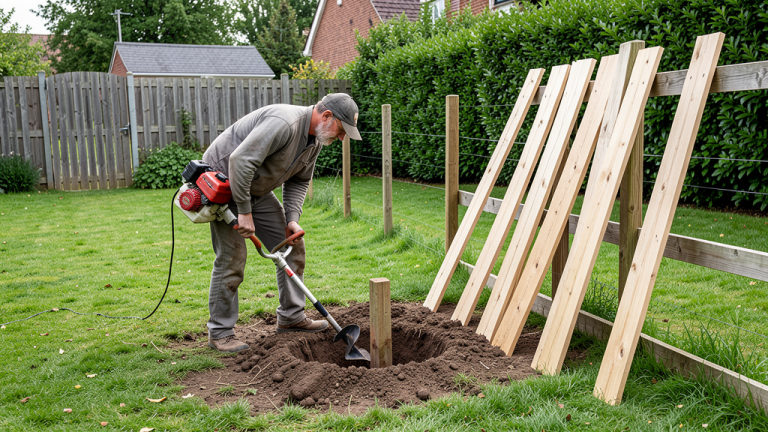
Whatever pergola you choose, the hardware makes or breaks durability. Weak connections fail under wind. Vevor’s pergola post anchors and shade hardware are engineered for reliability and tested under real-world conditions. Grab heavy-duty stainless steel anchors rated for ground or deck installation, plus additional brackets for cross-bracing and lateral support. Most homeowners need 4–8 anchors per pergola plus additional hardware for wind bracing. Budget $200–$500 for quality hardware—it’s an investment that keeps your pergola standing strong through Texas storms and protects the entire structure.
Cabana Theory — DFW’s Pergola Specialists
If you’re in the DFW area and pergolas feel overwhelming—or you’d rather have professionals handle design, permitting, and installation—Cabana Theory specializes in custom pergolas and shade structures for residential and commercial properties across Dallas-Fort Worth. Their team understands North Texas climate demands—the intense summer heat, humidity spikes, occasional high winds, and the durability challenges unique to our region.
Cabana Theory builds pergolas engineered for our specific environment. Whether you need consultation on material choice, design mockups, permitting guidance, or full turnkey installation, they’ve got the expertise. They’ve installed hundreds of pergolas in pool environments and know exactly which materials, fasteners, and designs survive and thrive in Texas heat and humidity.
Visit Cabana Theory online or reach out directly for a free consultation. They’ll assess your space, walk through material options, provide detailed quotes, and guide you through the entire process.
5. Pool Accessories & Shade Enhancements
Complete your pergola setup with complementary accessories that enhance comfort and functionality:
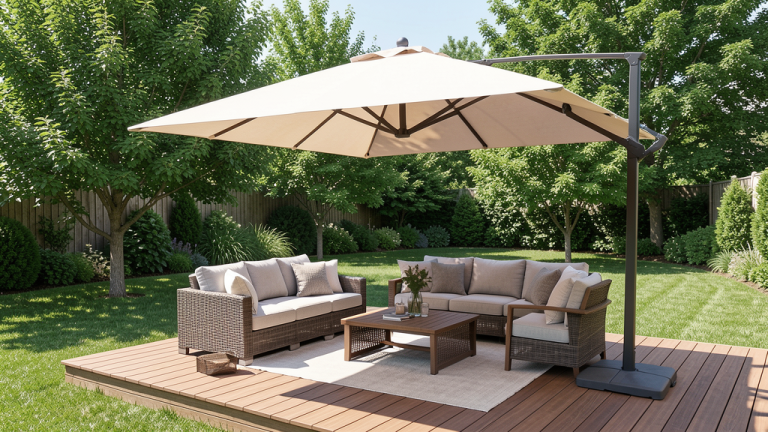
Pool Deck Umbrella & Shade: For additional portable shade options, browse cantilever pool umbrellas on Amazon. These complement your pergola beautifully and provide flexible shade for lounging areas. Look for UV-resistant fabrics and weighted bases that stand up to Texas wind.
Outdoor String Lights for Pergolas: Extend your pergola’s usability into evening hours with outdoor string lights designed for pergolas. Cafe-style or bistro lights create intimate ambiance while keeping your patio well-lit for gatherings. Many are energy-efficient LED options with 25,000+ hour lifespans.
Louvered Pergola Kits on Vevor: For additional sourcing, browse louvered pergola kits on Vevor. Vevor offers competitive pricing on adjustable pergola systems with international shipping available.
Pergola Post Anchors from Vevor: Already mentioned but worth emphasizing—Vevor’s pergola post anchors and foundation hardware are essential for any installation. Quality anchors ensure your pergola survives Texas weather events and provides years of stable support.
Frequently Asked Questions
Q: How much shade does a pergola actually provide?
A: A standard pergola with horizontal slats (2–4 inches apart) blocks 30–50% of direct sun depending on slat spacing and sun angle. Motorized louvered models can be adjusted from 0–100% coverage. For maximum shade, layer your pergola with climbing plants or shade cloth, though this increases maintenance and may trap heat. Most homeowners find 30–50% shade is the sweet spot—enough UV protection without making the area feel enclosed.
Q: Will chlorine damage my pergola?
A: Not if it’s engineered for pool use. Chlorine spray corrodes untreated steel and degrades low-quality finishes quickly. Marine-grade aluminum, stainless steel hardware, and powder-coated surfaces resist chlorine beautifully for years. Wood requires pool-specific sealed protection to survive. You can find pool-grade pergola sealers on Amazon that are specifically formulated for chlorinated environments. Vinyl and composite resist chlorine naturally without additional treatment—this is one advantage of synthetic materials in pool environments.
Q: Can I install a pergola myself?
A: DIY kits (vinyl, some composite) are achievable for handy homeowners with basic tools and a helper. Motorized aluminum systems and permanent wood installations require electrical work, concrete footings, and often permits—hire professionals for these. Check local DFW building codes; some areas require pergola permits if attached to your home or if exceeding certain dimensions. Most professionals recommend hiring for installations over 12 feet to ensure proper weight distribution and wind engineering.
Q: How do I maintain a poolside pergola?
A: Vinyl and composite: rinse with fresh water annually, clear debris and leaves. Wood: reseal or restain every 12–18 months, inspect joints for rot, replace any damaged slats immediately. Aluminum (motorized): lubricate moving parts and hinges annually, clean slats with mild soap, test motor function seasonally. Our patio furniture care guide includes seasonal outdoor maintenance tips applicable to pergolas and shade structures.
Q: How long do pergolas last around a pool?
A: Properly built and maintained: 10–20+ years. Aluminum louvered systems with quality hardware last 15–20 years before needing component replacement. Vinyl kits: 10–15 years before minor fading and material fatigue. Wood: 8–12 years with consistent sealing discipline. The difference lies in material quality, hardware grade, and maintenance consistency. Under-maintained structures deteriorate faster; well-cared-for pergolas become permanent backyard fixtures.
The Poolside Pergola Revolution Is Here
A poolside pergola isn’t a luxury—it’s a smart investment in comfort, property value, and year-round outdoor living. Whether you choose motorized aluminum for ultimate control, vinyl for budget-friendly durability, wood for timeless beauty, or composite for balance, the key is selecting materials and hardware engineered for pool environments. Anchor it right with quality fasteners from Vevor, source your preferred style from Amazon, and you’ll have a shaded retreat that redefines how your family enjoys the pool for years to come.
Ready to transform your poolside? Browse our product recommendations, consult the sizing guides, and reach out to professionals like Cabana Theory if you want expert guidance tailored to your DFW property. Your perfect poolside pergola awaits—the only question is how you’ll spend all those comfortable hours beneath it.
Disclosure: This post contains affiliate links. As an Amazon Associate and Vevor affiliate, Cabana Culture earns from qualifying purchases at no extra cost to you. See our full affiliate disclosure.
Disclosure: This post contains affiliate links. As an Amazon Associate and Vevor affiliate, Cabana Culture earns from qualifying purchases at no extra cost to you. See our full affiliate disclosure.