Best Post Hole Diggers for Fence & Pergola Posts in 2026
Quick Answer
The best post hole digger for fence and pergola posts depends on your ground type and project scale. For hard or rocky soil and larger jobs, the VEVOR 52cc Gas Post Hole Digger at $150.90 is unbeatable value. For small DIY projects, a manual clamshell digger like the Seymour or Fiskars gets the job done without gas or electricity.
Our Top Picks at a Glance
| Product | Price | Where to Buy | Best For |
|---|---|---|---|
| VEVOR 52cc Gas Post Hole Digger | $150.90 | Vevor | Heavy-duty gas power, large jobs |
| Seymour 32000 Post Hole Digger | ~$35–$45 | Amazon | Best manual clamshell digger |
| Fiskars 385110 Post Hole Digger | ~$45–$55 | Amazon | Best ergonomic manual pick |
| Jardineer Manual Post Hole Digger | ~$30–$40 | Amazon | Best budget manual option |
| VEVOR 52cc 6-in-1 Multi-Trimmer | $219.90 | Vevor | Post-install site cleanup |
Best Post Hole Diggers for Fence & Pergola Posts — Full Reviews
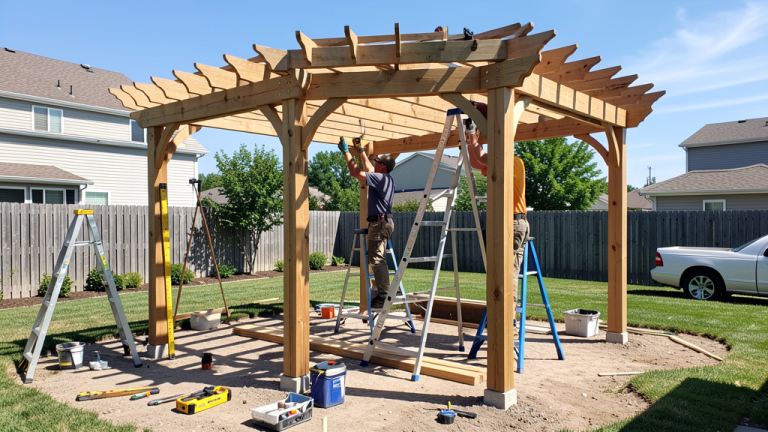
Whether you’re setting fence posts along a property line, anchoring pergola footings for a new shade structure, or planting trees in your backyard, the right post hole digger makes the difference between a weekend project and an all-day ordeal. If you’re planning a larger shade structure project, check out our guide to the best shade structures for 2026 to understand what kind of foundation your posts need to support.
1. VEVOR 52cc Gas Post Hole Digger — Best Overall for Fence & Pergola Posts

Price: $150.90 | Check Price on Vevor →
- 52cc 2-stroke engine producing 9,350 RPM — punches through clay, caliche, and compacted soil
- Includes both 6-inch and 10-inch drill bits for fence posts and larger pergola footings
- 3 extension rods for drilling up to 36 inches deep — meets most local code requirements
- EPA listed — fully compliant in all 50 states
- 1,450W equivalent output at under $155 — best power-to-price ratio on the market
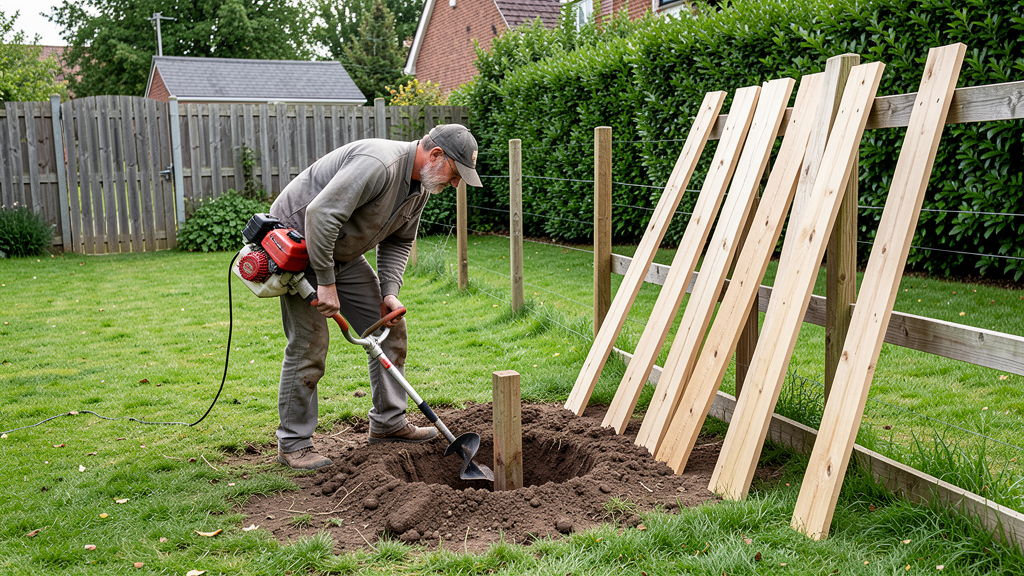
For DIYers tackling a full fence run or setting pergola footings in Texas clay or Oklahoma hardpan, the VEVOR 52cc is a game-changer. At under $155, it costs less than renting a two-man auger for a single day at most equipment rental shops — and you get to keep it. The two included bit sizes cover virtually every standard post diameter you’ll need for fencing, deck framing, or pergola construction.
2. Seymour 32000 Post Hole Digger — Best Manual Clamshell

Price: ~$35–$45 | Check Price on Amazon →
- Classic clamshell design with hardened steel blades — contractor-grade toughness
- 48-inch fiberglass handles reduce vibration and won’t rot or splinter over time
- Opens to a 6-inch diameter — perfect for standard 4×4 and 6×6 fence posts
- Time-tested professional design trusted by fence contractors for generations
- Lightweight at under 9 lbs — easy to maneuver in tight corners and along fence lines
The Seymour 32000 is the go-to manual post hole digger for a reason: built to last, does exactly what it’s supposed to, and requires zero maintenance. For smaller projects like setting 4–6 fence posts in reasonably soft soil, there’s no need to fire up a gas auger. This is the workhorse tool that homeowners have trusted for fence installations and garden borders for decades, and it’s still one of the best-selling manual diggers on Amazon.
3. Fiskars 385110-1001 Post Hole Digger — Best Ergonomic Pick

Price: ~$45–$55 | Check Price on Amazon →
- Patented blade design cuts through roots and compacted soil more effectively than traditional clamshells
- All-steel construction with a lifetime warranty from Fiskars
- Cushioned D-grip handles dramatically reduce hand fatigue during multi-hole sessions
- Opens to 6 inches — standard for fence posts and landscape timbers
- Sharper blade angle than competitors — enters ground with noticeably less effort
Fiskars put real engineering into this post hole digger, and it shows in every dig. The patented blade shape and sharper cutting angle mean you’ll spend noticeably less energy per hole compared to a basic clamshell design. Backed by Fiskars’ lifetime warranty, this is the manual digger to buy if you value build quality and plan to use it for years. If you’re also researching the best privacy fence panels for 2026 for your yard project, this ergonomic digger pairs perfectly with a full fence installation.
4. Jardineer Manual Post Hole Digger — Best Budget Option

Price: ~$30–$40 | Check Price on Amazon →
- Heavy-duty steel construction with reinforced blades — built to dig, not just display
- 6-inch opening handles standard 4×4 and 4×6 posts with ease
- Comfortable rubber grip handles for reduced hand fatigue
- Smooth pivot mechanism for clean clamshell action even in denser soil
- Most affordable quality manual digger available — ideal for 1-5 post jobs
The Jardineer is the under-$40 option you reach for when you need to set a few mailbox posts, anchor a small garden trellis, or replace a single fence post. It’s not designed for 30-hole marathon sessions, but for occasional homeowner use it performs well above its price point. A solid, no-nonsense budget choice that won’t leave you fighting your tool on a Saturday morning.
5. VEVOR 52cc 6-in-1 Multi-Trimmer — Best for Post-Installation Site Cleanup

Price: $219.90 | Check Price on Vevor →
- 6 tools in 1: hedge trimmer, weed eater, string trimmer, brush cutter, edger, pole saw, and pruner
- 52cc 2-stroke engine with up to 8,500 RPM for serious cutting power
- 270-degree rotating head for precision cuts at any angle along fence lines or pergola bases
- Up to 40-minute runtime per fuel tank — enough for most post-installation cleanups
- Magnetic ignition for reliable cold-weather starting
Once your holes are dug and posts are set, you’ll want to clean up the job site — trimming back overgrowth along the fence line, edging around pergola footings, and cutting back shrubs that encroached during the build. The VEVOR 6-in-1 multi-tool turns post-installation cleanup into a single-tool job. For anyone investing in serious yard projects, it naturally pairs with the gas auger above for a complete power tool package. You can also explore all the best outdoor power tools of 2026 if you’re building out a full equipment set.
Buying Guide — What to Look For in a Post Hole Digger
Manual vs. Gas-Powered: Which Do You Need?
The single most important decision is whether to go manual (clamshell) or gas-powered (auger). Manual diggers work fine for 1–6 posts in reasonably loose or loamy soil, cost under $55, and require zero maintenance. Gas-powered augers shine for 7+ posts, clay-heavy or caliche soil, and deeper holes (24–36 inches) required by most building codes for structural posts. If you’re setting posts for a full pergola — especially in Texas or the Southwest where caliche is common — a gas auger isn’t optional, it’s essential. See our complete breakdown of pergola installation costs in 2026 to understand how much professional installation adds up when you’re not doing the digging yourself.
Bit Size and Hole Depth
Standard fence posts (4×4) require a 6-inch diameter hole. Larger 6×6 posts and most pergola footings need an 8- or 10-inch hole. Always check your local building code for minimum post depth — most jurisdictions require 24–36 inches for structural posts, and many deck or pergola permits require posts to extend below the frost line. The VEVOR gas auger ships with both 6-inch and 10-inch bits, covering the full range of residential post work in a single purchase.
Handle Design and Ergonomics
For manual clamshell diggers, handle material matters more than most buyers realize. Fiberglass handles (like on the Seymour) absorb vibration better than wood and won’t rot or splinter after years in a damp shed. D-grip handles (like on the Fiskars) give you better torque and leverage than straight handles when pivoting in tight holes. If you’re planning to dig more than 8–10 holes in a single session, invest in the better-ergonomics model — your hands and back will thank you by the end of the day.
Soil Type in Your Region
Soil type is one of the most underrated factors when choosing a post hole digger. If you’re in the DFW Metroplex, central Texas, or southern Oklahoma, your soil is likely heavy clay or caliche hardpan — conditions that make manual digging extremely difficult and physically punishing. A gas auger pays for itself in saved labor on the very first job in these regions. Coastal and Pacific Northwest soils tend to be loamy and forgiving; the Southeast often has sandy or mixed soils that are more manageable. Know your ground before you buy, and check our dedicated guide on pergolas built for Texas heat for regional installation tips specific to hot-climate yards.
Frequently Asked Questions
How deep should I dig post holes for a pergola?
Most building codes and structural engineers recommend digging pergola post holes 24–36 inches deep, depending on post height and local frost depth. A general rule of thumb is that holes should be 1/3 to 1/2 the above-ground height of the post, with a minimum of 24 inches for any structural load-bearing post. Always check your local permit requirements before digging. The VEVOR 52cc auger with extension rods reaches up to 36 inches deep — sufficient for the vast majority of residential pergola footings.
Can I dig post holes without an auger?
Yes — manual clamshell post hole diggers work well for loose to medium-density soil when you’re setting 1–6 posts. For hard clay, caliche, compacted fill, or any project requiring more than 6–8 holes, a gas-powered auger will save hours of backbreaking work and significantly reduce injury risk. Renting a two-man auger typically costs $60–$90 per day — buying the VEVOR 52cc one-man auger at $150.90 pays for itself after just two rentals.
What’s the difference between a post hole digger and an auger?
A post hole digger (clamshell digger) is a manual tool with two opposing blades you open and close to scoop dirt out of a hole. An auger is a spiral drill bit — either hand-powered or engine-driven — that bores into soil by rotating. Gas-powered post hole diggers like the VEVOR 52cc use an auger bit powered by a small engine, combining the boring action of an auger with the portability of a handheld tool. For residential fence and pergola work, a one-man gas auger is the most practical motorized option.
What size post hole digger do I need for a 4×4 post?
A 6-inch diameter hole is the standard for 4×4 fence and deck posts, giving you roughly 1 inch of clearance on each side for concrete backfill. For 6×6 structural posts used in pergolas and heavier deck builds, use an 8- or 10-inch bit. The VEVOR 52cc ships with both sizes, making it versatile for any residential post project. If you’re planning a full pergola build, check our guide to the best pergolas for backyard shade to understand what post sizes and depths are typically required by each style.
Bottom Line
For most homeowners setting fence posts or pergola footings, the VEVOR 52cc Gas Post Hole Digger at $150.90 is the clear best buy — it costs less than a single equipment rental, handles tough soil types from Texas clay to New England hardpan, and includes both bit sizes you’ll need for any residential project. If you’re only setting a few posts in soft soil, the Fiskars 385110 is the best manual option thanks to its superior blade design and lifetime warranty. Whatever you’re building — fence, pergola, deck, or garden borders — the right post hole digger makes the whole project go faster, easier, and with fewer sore muscles on Sunday morning.
Cabana Culture participates in affiliate programs including Amazon Associates and the Vevor affiliate program. We may earn a commission at no extra cost to you. See our full disclosure.
Cabana Theory specializes in premium shade structures and outdoor living spaces. Get a free quote today.
Disclosure: This post contains affiliate links. As an Amazon Associate and Vevor affiliate, Cabana Culture earns from qualifying purchases at no extra cost to you. See our full affiliate disclosure.
Disclosure: This post contains affiliate links. As an Amazon Associate and Vevor affiliate, Cabana Culture earns from qualifying purchases at no extra cost to you. See our full affiliate disclosure.