Cold Plunge Pool Cost 2026 — What to Expect and Best Brands Reviewed
A quality cold plunge pool costs between $200 and $15,000+ depending on whether you go DIY, portable tub, or a dedicated chiller unit. The sweet spot for most homeowners is a $800–$3,500 portable cold plunge tub that delivers serious recovery benefits without a contractor or permit. Here’s exactly what drives the price — and which brands are actually worth your money in 2026.
Cold Plunge Pool Cost by Type — Quick Reference
Before diving into brands and specs, here’s the honest cost landscape:
| Type | Price Range | Best For |
|---|---|---|
| DIY chest freezer conversion | $200–$600 | Budget-first buyers willing to tinker |
| Portable inflatable/soft tub | $300–$900 | Renters, casual users, beginners |
| Freestanding cold plunge tub (no chiller) | $600–$2,500 | Dedicated users who add ice manually |
| Cold plunge tub with built-in chiller | $2,000–$8,000 | Daily users who want consistent temps |
| Premium plunge pools (installed) | $6,000–$20,000+ | Whole-backyard wellness setups |
What You’re Actually Paying For
The price gap between a $300 tub and a $5,000 chiller system comes down to four factors:
1. Temperature Control
Ice-dependent tubs are cheap but tedious — expect to spend $15–$40/week on ice if you plunge daily. A chiller unit holds water at 39–50°F without any manual effort. For daily users, the chiller math works out in under a year compared to ongoing ice costs.
2. Material and Durability
Medical-grade acrylic, rotomolded polyethylene, and 304/316 stainless steel are the three durability tiers. Stainless is the gold standard — it won’t harbor bacteria, it’s UV-resistant, and it’ll outlast every other option by decades. Budget tubs typically use lower-grade plastics that develop microcracks within 2–3 years of outdoor exposure.
3. Insulation
Better-insulated tubs hold cold longer, meaning your chiller runs less and your electricity bill stays manageable. Look for at least 2″ of foam insulation — premium brands like Ice Barrel and Plunge go further.
4. Filtration and Sanitation
Without a filtration system, you’re changing water every few days. Built-in ozone filtration, UV sanitation, or a dedicated circulation pump dramatically extends water life — some chiller units claim 6+ months between changes with proper chemical maintenance.
Best Cold Plunge Tubs by Budget — 2026 Reviews
Best Budget: Vevor Cold Plunge Tub ($400–$700)
Vevor has quietly become the go-to for budget-conscious cold plunge buyers. Their freestanding acrylic tubs hold 65–105 gallons and come in multiple sizes. The material is solid for the price, the inner surface is smooth and easy to clean, and the drain is properly positioned. You’ll need to add ice or a separate chiller — Vevor doesn’t bundle one — but as a starter vessel, it’s hard to beat at this price point.
👉 Browse Vevor Cold Plunge Tubs
Vevor also sells standalone chiller units that can be paired with almost any tub:
👉 Vevor Water Chillers for Cold Plunge
Best Value Under $1,000: Polar Recovery Pod
The Polar Recovery Pod is an ice-bath barrel-style tub that’s gained traction with CrossFit athletes and recovery-focused buyers. At roughly $600–$750 on Amazon, it delivers a proper upright cold plunge experience — you submerge to your shoulders while seated. The insulated walls hold ice temperature for 2–3 hours, and the drainage is fast. For ice users, this is the most efficient sub-$1K option available.
Best Freestanding No-Chiller: Ice Barrel 300 and 400
Ice Barrel makes two sizes — the Ice Barrel 300 (~$1,200) and Ice Barrel 400 (~$1,499). Both are rotomolded polyethylene barrels designed specifically for upright cold plunge sessions. The 400 is taller and fits people up to 6’5″. What sets Ice Barrel apart at this price is the UV-resistant material, included drainage kit, and surprisingly good insulation — ice lasts noticeably longer than competitors claim. If you’re not ready for a chiller but want something built to last outdoors, this is your pick.
Best Cold Plunge With Chiller Under $3,500: Plunge All-In
The Plunge All-In sits around $2,990–$3,490 and is the product that legitimized the home cold plunge market. It combines a durable acrylic shell with a built-in 1/3 HP chiller that drops water to 39°F, plus ozone filtration that keeps water clean for months. The digital temperature display is accurate, the chiller is quiet enough for residential use, and the customer support is genuinely good. If you want a set-it-and-forget-it cold plunge and have the budget, this is the benchmark product.
Best Cold Plunge With Chiller Under $2,500: Penguin Chillers + DIY Setup
A growing number of serious plungers are pairing a dedicated vessel with a Penguin Chillers 1/3 HP water chiller ($1,200–$1,500). Combined with any decent tub (including the Vevor options above), you get full chiller functionality for $1,700–$2,200 total — significantly cheaper than the all-in-one units. The tradeoff is setup complexity: you’ll need to connect inlet/outlet hoses and ensure proper water circulation.
Best Premium: Renu Therapy Cold Rush
The Renu Therapy Cold Rush ($4,495–$5,995) is built for the serious home athlete. It uses a commercial-grade chiller capable of hitting 34°F — colder than most competitors — and includes a proprietary filtration system with built-in UV sanitation. The shell is high-density polyethylene and the controls are digital with a mobile app. If you’re pairing this with an outdoor sauna for contrast therapy, this is the cold side that can keep up.
Best Stainless Steel: Brass Monkey Cold Plunge
The Brass Monkey Cold Plunge ($3,500–$5,000) uses 304 stainless steel construction — the same grade used in commercial food processing. It’s the most hygienic option in this roundup and will survive decades of outdoor use. The steel is cold to the touch before you even start chilling, which some users report makes the psychological barrier lower. Heavy (250+ lbs), premium, and built like equipment.
Best Budget Chiller Add-On: Penguin Chillers HX30
For anyone with an existing tub who wants to add cold control without buying a whole new system, the Penguin Chillers HX30 (~$999) is a compact inline chiller that works with almost any vessel. It’s sized for 50–100 gallon tubs and can hold temperatures as low as 42°F. Install is a simple hose connection. For current ice bath users who want to eliminate the ice habit, this is the cleanest upgrade path.
Cold Plunge Pool Operating Costs — The Full Picture
The sticker price is only half the equation. Here’s what ongoing use actually costs:
Electricity (Chiller Units)
A 1/3 HP chiller running 4–6 hours/day in summer will add roughly $25–$55/month to your electricity bill depending on your local rates and ambient temperature. In moderate climates (under 80°F outdoors), some users report as low as $15/month. In Phoenix in July, expect the chiller to work harder — budget $60–$80/month at peak summer.
Ice (Non-Chiller Tubs)
Daily use at 50°F ambient temperature requires approximately 20–40 lbs of ice per session. At $4–$6 per 20 lb bag, that’s $4–$12 per plunge, or $120–$360/month for daily users. Weekly plungers spend $50–$100/month. The math on a chiller pays off in 12–18 months for daily users.
Water Treatment
Standard cold plunge maintenance uses the same chemistry as a hot tub: chlorine or bromine tablets, a pH test kit, and occasional oxidizer shock. Budget $10–$20/month if you’re maintaining properly. Some premium units with ozone + UV filtration reduce this to $5–$10/month.
Water Changes
Without filtration: change every 1–2 weeks ($5–$10 in water, negligible). With built-in filtration: most manufacturers recommend water changes every 1–3 months.
DIY Cold Plunge — Chest Freezer Conversion
The cheapest path to daily cold plunging is the chest freezer conversion. A used chest freezer (100+ gallon) costs $150–$400 on Craigslist or Facebook Marketplace. Add a submersible circulation pump ($30–$80) and a basic filtration setup, and you have a functional cold plunge for under $600.
The downsides: chest freezers aren’t waterproofed for this use case and can fail within 2–3 years of continuous water contact. You’ll also need a GFCI outlet nearby and should never use it without one. But for budget-first buyers who want to test the cold plunge habit before investing, this setup has helped thousands of people get started.
For the full breakdown on backyard wellness setups including sauna pairings, check out our guide on best backyard saunas for 2026 — the contrast therapy section goes deep on exactly this combination.
Indoor vs. Outdoor Cold Plunge — What to Know
Most cold plunge tubs work equally well indoors and outdoors, but outdoor placement creates specific considerations:
- Sun exposure — Direct UV degrades plastic tubs faster. Look for UV-stabilized materials or plan to use a cover. Stainless steel handles sun exposure indefinitely.
- Ambient temperature — Your chiller works harder in summer heat. A shaded location (under a pergola, covered patio, or in a sauna room) significantly reduces chiller load and operating costs.
- Freezing weather — In climates that freeze, you’ll need to winterize ice-dependent tubs. Chiller units typically have freeze protection, but check the manual. Most recommend storing indoors below 20°F.
- Drainage — Plan a drainage path before placing the tub. You’ll drain it 2–12x per year depending on your filtration setup.
If you’re building a proper outdoor wellness area, consider how the cold plunge integrates with your overall backyard design. Our poolside pergola ideas guide covers shade structures that work perfectly over a cold plunge/sauna area.
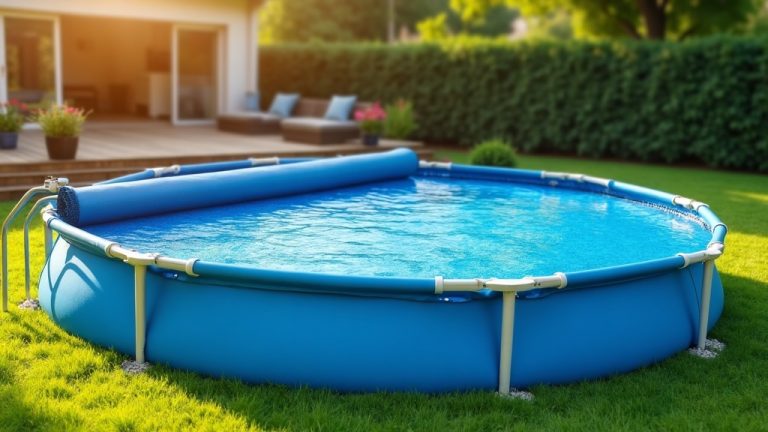
Cold Plunge Pool vs. Above Ground Pool — Key Differences
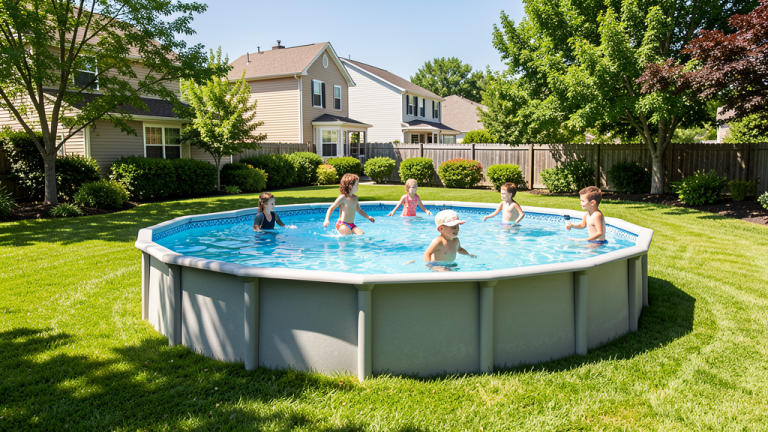
People sometimes confuse cold plunge pools with small above-ground swimming pools. They serve completely different purposes:
| Feature | Cold Plunge | Above Ground Pool |
|---|---|---|
| Purpose | Recovery, wellness, health | Recreation, swimming |
| Capacity | 65–200 gallons | 1,000–20,000 gallons |
| Temperature | 39–55°F | 78–86°F (ambient/heated) |
| Session duration | 1–10 minutes | 30+ minutes |
| Cost | $200–$8,000 | $800–$6,000+ |
| Maintenance | Low–moderate | Moderate–high |
If you’re comparing options for a pool-centric backyard, our best above ground pools guide for 2026 covers the full spectrum of swimming pool options at every price point.
Health Benefits — What the Research Actually Says
Cold water immersion research has accelerated over the past five years. The most replicated findings:
- Reduced DOMS (Delayed Onset Muscle Soreness) — Multiple RCTs show 10–15 minutes at 50–59°F significantly reduces post-exercise soreness at 24 and 48 hours.
- Norepinephrine increase — A 2022 study found a 2–3x norepinephrine spike from cold water immersion, which correlates with improved mood and focus.
- Metabolic effects — Regular cold exposure activates brown adipose tissue (BAT), which burns glucose and fat for heat. Long-term effects on metabolism are still being studied but initial results are promising.
- Dopamine — Research by Dr. Andrew Huberman’s lab and others shows a sustained 250% increase in dopamine following cold water immersion, lasting 1–3 hours post-plunge.
Important caveat: cold plunging is not recommended immediately post-strength training if hypertrophy is your goal. Studies show it can blunt the muscle-building adaptation signal. Use it on non-lifting days or at least 4 hours after training for best of both worlds.
What Temperature Should You Target?
The evidence-based target range is 50–59°F (10–15°C) for recovery and mood benefits. Beginners should start at 55–60°F and acclimate over several weeks. The extreme end — 38–45°F — is used by experienced cold plungers and athletes, but there’s diminishing return in benefits and meaningfully increased shock risk for untrained users.
A good chiller lets you dial in your exact target. For ice users: a full 40 lb bag of ice in a 65-gallon tub of 65°F tap water typically lands around 50–55°F — right in the sweet spot.
What to Buy Based on Your Situation
You want to try cold plunging for under $500
→ Vevor freestanding acrylic tub + ice. Or, a used chest freezer + circulation pump. Both work.
You’re committed but don’t want to deal with ice
→ Penguin Chillers HX30 ($999) paired with a Vevor tub ($400–$600). Total: $1,400–$1,600.
You want a true all-in-one setup under $3,500
→ Plunge All-In ($2,990–$3,490). The most polished turnkey cold plunge on the market.
You want the best regardless of price
→ Renu Therapy Cold Rush or Brass Monkey Cold Plunge. Both are purpose-built for serious, long-term daily use.
You’re building a full outdoor wellness area
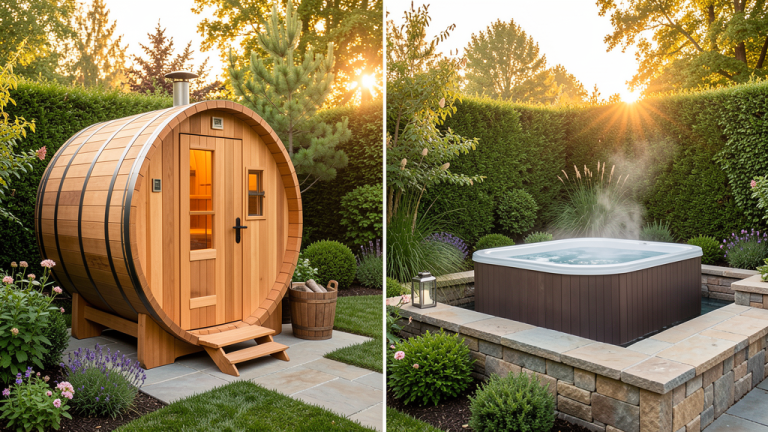
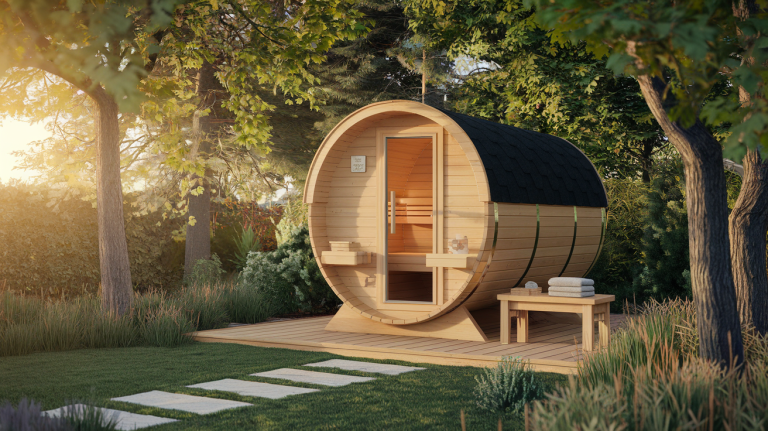
→ Pair any chiller-equipped cold plunge with an outdoor barrel sauna. The combination (contrast therapy) amplifies the benefits of both. Budget $4,000–$10,000 for a complete setup.
Frequently Asked Questions
How much does a cold plunge pool cost?
Cold plunge pools range from $200 (DIY chest freezer) to $20,000+ (installed luxury plunge pools). The most popular range for home buyers in 2026 is $800–$4,000 for a freestanding tub with or without a chiller unit.
Is a cold plunge worth it?
For daily users committed to the practice, yes — the recovery, mood, and focus benefits are well-documented. The economics work out over time versus buying ice. For casual or occasional users, start with a budget setup before committing to a premium unit.
How long should you stay in a cold plunge?
Research supports 2–10 minutes at 50–59°F for most benefits. Beginners should start at 1–2 minutes and build tolerance. There’s no significant additional benefit beyond 10–15 minutes, and extended exposure increases cold shock risk.
Can a cold plunge stay outside year-round?
Most stainless steel and high-density polyethylene tubs can stay outside year-round in climates that don’t freeze hard. In freezing climates, either drain and store or use a chiller unit with built-in freeze protection. Always check the manufacturer’s temperature ratings.
What’s the difference between a cold plunge and an ice bath?
Functionally they’re the same — cold water immersion for recovery. “Ice bath” typically refers to a DIY setup (bathtub + ice). “Cold plunge” refers to a dedicated tub or vessel, often with a chiller for consistent temperature control without ice. Purpose-built cold plunge tubs are more convenient and hygienic for regular use.
How do you maintain cold plunge water?
Use bromine or chlorine to prevent bacterial growth, test pH weekly (target 7.2–7.8), and shock the water every 1–2 weeks. With an ozone or UV filtration system, chemical use drops significantly. Without filtration, change water every 1–2 weeks.
Do I need a permit for a cold plunge?
In most jurisdictions, no — cold plunge tubs are treated as portable appliances, not structures. Check local codes if you’re installing a permanent in-ground cold plunge pool. Freestanding tubs on decks or patios virtually never require permits.
What size cold plunge do I need?
Standard sizing: 65–75 gallons for most adults under 6′. Taller users (6’2″+) should look at 80–100 gallon options or taller barrel-style tubs. Measure your bathtub for reference — a standard tub holds 40–60 gallons, so you need somewhat more to achieve full submersion to shoulder height while seated.
Pro Tips for Getting the Most From Your Cold Plunge
Once you’ve invested in a cold plunge pool, a few habits will maximize both your results and your equipment’s lifespan.
Consistency Beats Temperature
Most cold therapy experts agree: getting in the water every day at 58°F beats doing it twice a week at 40°F. Build the habit first, then lower the dial. Even 2–3 minute sessions at moderate temperatures deliver measurable benefits in cortisol reduction and circulation.
Chill Before You Use It
If your unit uses an active chiller, give it 30–45 minutes to reach target temperature before your session. Running the chiller while you sit in the water puts unnecessary strain on the compressor and leads to premature wear — especially in Texas summers where ambient temps already fight the system.
Water Chemistry Matters
Cold water still grows bacteria. Add a small amount of hydrogen peroxide (35% food grade, 1–2 oz per 100 gallons) weekly, and do a full water change every 4–6 weeks depending on usage. Ozone systems on higher-end units dramatically reduce maintenance burden. If you’re plunging daily with other household members, invest in the ozone upgrade — it pays for itself in water and chemical savings within the first year.
Cover It When Not in Use
A fitted insulated cover cuts chilling costs by up to 40% overnight. Most quality brands include one, but aftermarket neoprene covers provide even better insulation if your unit came with only a basic lid.
Disclosure: This post contains affiliate links. If you purchase through these links, we may earn a small commission at no extra cost to you. We only recommend products we genuinely believe in.