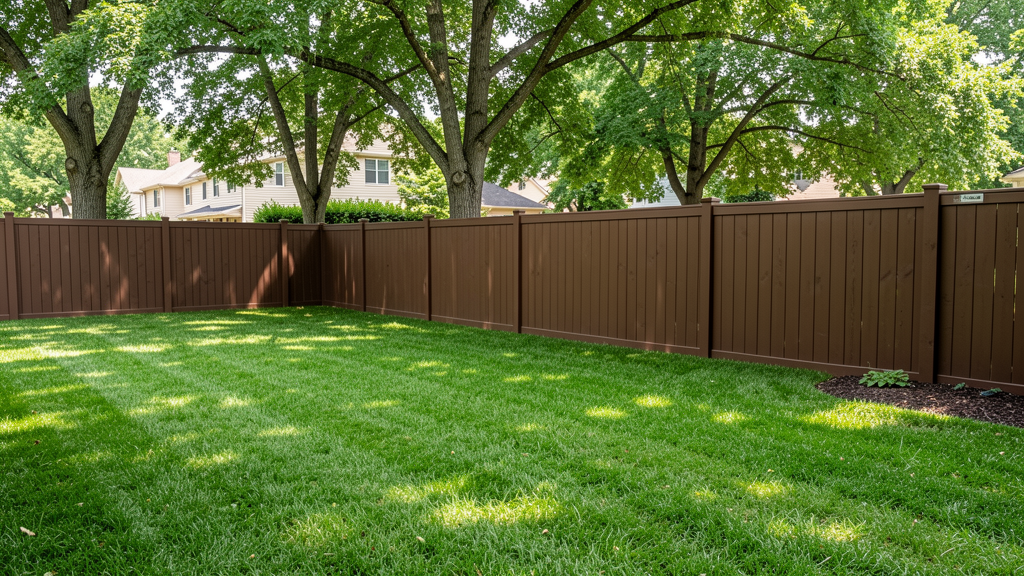
Best Privacy Fence Panels for 2026 — Wood, Vinyl and Metal Options
Bottom line up front: Pre-assembled cedar privacy panels deliver the best combination of natural beauty, durability, and DIY-friendliness for most homeowners. But depending on your climate, budget, and neighborhood rules, vinyl and aluminum slat options can be even better long-term investments — and this guide covers all three so you can decide with confidence.
Why Privacy Fencing Is Worth Investing In
A privacy fence does more than block sightlines — it creates a defined outdoor room that makes your backyard actually feel usable. Without it, even a beautifully landscaped yard can feel exposed and uncomfortable for relaxing, entertaining, or letting kids and pets roam freely. The right fence adds property value, reduces noise, and turns a backyard into a genuine retreat. Studies consistently show that quality privacy fencing adds 5–10% to a home’s resale value, making it one of the better outdoor investments dollar for dollar. Whether you’re looking to entertain without an audience, create a safe play zone, or simply enjoy a morning coffee without waving at the neighbors, a well-chosen fence panel system delivers all of that and more.
Our Top Picks
1. Zippity Outdoor Products Cedar Panel — Best Overall
Price range: $89–$139 per panel | Best for: Natural look, DIY installation
Pre-assembled 4×8-foot cedar panels come ready to attach between posts. Tight-grain cedar boards resist rot and insects without chemical treatment — safe for gardens and pets. Most homeowners complete a standard yard fence in a weekend. Cedar’s warm, natural tone also ages gracefully into a silver-gray patina if left unsealed, which many homeowners actually prefer. This pick is ideal for homeowners who want a traditional wood look without the hassle of cutting and assembling boards from scratch — it genuinely cuts installation time in half compared to building from raw lumber.
2. YARDLINK Pre-Assembled Vinyl Panel — Best Low Maintenance
Price range: $129–$179 per panel | Best for: Zero maintenance, HOA neighborhoods
Never needs painting, staining, or sealing — just hose clean. Thick-wall construction resists UV degradation better than thin vinyl. Tongue-and-groove assembly means complete visual privacy. Limited lifetime warranty. This is the go-to choice for homeowners who want a set-it-and-forget-it fence solution — especially in HOA communities where pristine appearance is enforced. If you’ve had a wood fence before and know the annual maintenance grind, the upgrade to quality vinyl pays for itself in saved time and materials within a few years.
3. Aluminum Slat Fence Panel — Best Premium Look
Price range: $199–$349 per panel | Best for: Contemporary homes, permanent installation
Horizontal aluminum slat fencing is the defining aesthetic of modern outdoor design. Powder-coated aluminum doesn’t rust, fade, or warp. Slat spacing adjustable for privacy vs. airflow balance. Looks like a luxury landscaping upgrade. This option is perfect for homeowners with contemporary or transitional architecture who want the fence to be a design statement, not just a utility structure. It’s also excellent in coastal areas or humid climates where wood and even vinyl can struggle — aluminum simply doesn’t care about moisture.
4. Bamboo Privacy Screen Roll — Best Budget Option
Price range: $40–$90 per roll | Best for: Renters, temporary privacy, accent zones
Bamboo screen rolls attach to existing chain-link fences, railings, or pergola frames to add instant privacy without any digging or post-setting. While not as durable or polished as full panel systems, they’re an excellent solution for renters who can’t permanently modify a property, or for homeowners who need a fast seasonal privacy fix while planning a more permanent installation. Natural bamboo also blends beautifully with tropical or bohemian outdoor aesthetics.
What to Look For
Choosing the right privacy fence panel comes down to more than price per panel. Here’s what separates a fence that lasts decades from one that disappoints within a few years.
Panel Height and Local Zoning
Standard privacy height is 6 feet. For raised decks or elevated neighbors, consider 8 feet. Always check local zoning codes before purchasing — most municipalities limit residential fences to 6 feet in rear yards and 4 feet in front yards, and some require a permit for anything over a certain height. HOA rules may add additional restrictions on materials, colors, and even the direction boards face. A few phone calls before you buy can save a very expensive mistake.
Post Installation and Footings
Set posts at least 2 feet deep in concrete — 1/3 of total post length is the industry standard. Use galvanized or stainless hardware throughout; standard steel screws rust through within a few years and can cause panels to loosen or fall. In cold climates, set posts below the frost line to prevent heaving. The fence is only as strong as its posts — don’t cut corners underground just because nobody sees it.
Wind Exposure and Panel Design
Solid fencing acts like a sail in high wind. In exposed areas, consider panels with small gaps between boards or a lattice top section to reduce wind load on posts. Horizontal slat fencing with slight gaps is often better in high-wind regions than traditional solid board-on-board designs. If you’re in a storm-prone area, factor in the wind rating of your panel system — some manufacturers specify resistance up to 90–110 mph winds, which matters in Texas, Oklahoma, and coastal markets.
Material Longevity and Climate Fit
Cedar is excellent in most climates but needs periodic sealing in wet climates. Vinyl excels in humid or coastal environments but can become brittle in extreme cold. Aluminum is the most weather-neutral option and performs well from the Arizona desert to Pacific Northwest rain. Match your material choice to your actual climate — the cheapest panel in the wrong environment will cost more in replacements than spending a bit more upfront on the right material.
FAQ
How long does a cedar fence last?
Untreated cedar lasts 15–20 years. Annual penetrating wood sealer extends that to 20–25 years. Use composite or pressure-treated posts with natural cedar panels for best longevity — cedar posts in ground contact are a common weak point even when the rest of the fence looks great.
Does vinyl fence turn yellow over time?
Cheap thin-wall vinyl yellows within 5–10 years. Quality thick-wall vinyl with UV inhibitors maintains color for 20+ years — this is one of the most meaningful quality differentiators when comparing vinyl panels. If the price seems too good on vinyl, the UV package is often where they cut corners.
Do I need a permit to install a privacy fence?
Most municipalities require permits for fences over 4 feet tall. Check with your local building department before purchase. Processing usually takes 1–2 weeks and fees are typically $50–$150. Skipping the permit can create problems at resale and may require removal at your expense.
What’s the cheapest way to add privacy to an existing chain-link fence?
Privacy slat inserts or bamboo/reed screen rolls are the most affordable options, running $1–$3 per linear foot. They thread or attach directly to existing chain-link without any new posts or concrete. It won’t look as polished as a wood or vinyl panel system, but it’s a practical interim solution that can be done in an afternoon.
How much does it cost to fence a typical backyard?
A typical 150-linear-foot backyard privacy fence runs $2,500–$6,000 installed depending on material — wood is usually the lowest, vinyl mid-range, and aluminum or composite the highest. DIY installation cuts material-only costs down to $1,200–$3,500 for the same run. Always get 2–3 contractor quotes; fence installation pricing varies significantly by region and contractor.
Bottom Line
Cedar for natural beauty and DIY-friendliness. Vinyl for zero-maintenance priority and HOA compliance. Aluminum slats for modern aesthetics and a premium result that stands up to any climate. Bamboo rolls for temporary or budget-conscious solutions. All four deliver real privacy and real usability to your outdoor space — the best choice simply comes down to your material priorities, local climate, and how long you plan to stay in the home. Any of these options beats living without a privacy fence, and all of them are available for DIY installation on a weekend with basic tools.
Prices subject to change. We may earn a commission on qualifying purchases.
Related Guides
🌿 Need Professional Installation in Texas?
If you’re in the DFW, Austin, or Southern Oklahoma area, Cabana Theory specializes in premium shade structures — pergolas, shade sails, retractable awnings, and custom outdoor living builds. Professional installation, top-tier materials, designed for the Texas heat.
Disclosure: This post contains affiliate links. As an Amazon Associate and Vevor affiliate, Cabana Culture earns from qualifying purchases at no extra cost to you. See our full affiliate disclosure.
Recommended Products:
bamboo fence panels
vinyl privacy panels
wood fence panels
fence post anchors
privacy fence screen
privacy fence panel
fence post anchor
Bamboo Privacy Fence Roll 6Ft | Outdoor Privacy Screen Fence | Outdoor Privacy Screen on Vevor