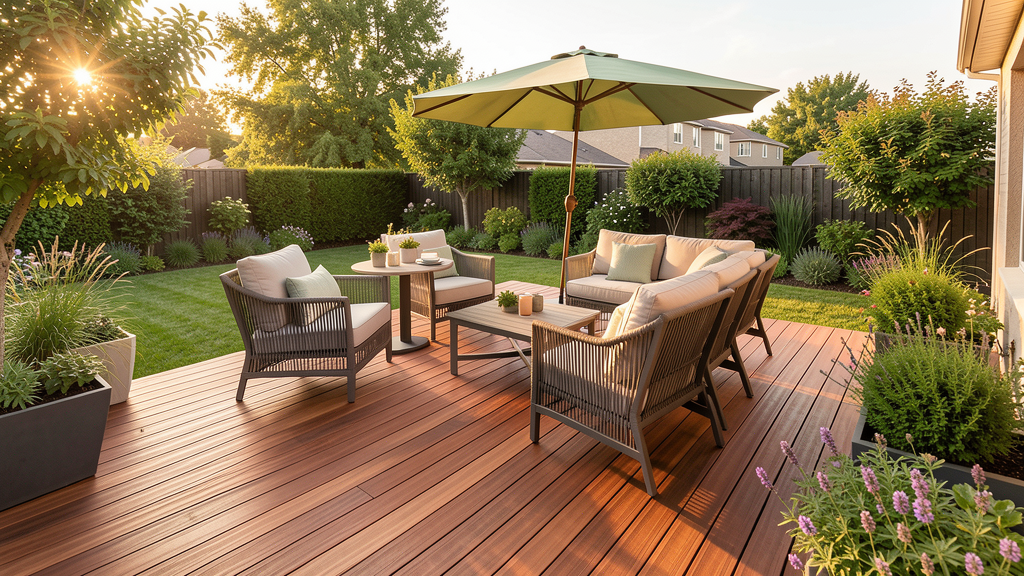
Best Composite Decking for 2026 — Looks Great, Zero Maintenance
Bottom line up front: Trex Transcend is the most proven composite decking — exceptional durability, realistic wood grain, and a 25-year warranty that actually covers what matters. If you’re building or replacing a deck in 2026, composite is the obvious choice for anyone who doesn’t want to spend weekends maintaining it.
Why Composite Decking Is Worth It
Pressure-treated wood decks look great for about two years. Then comes warping, splintering, graying, and the annual cycle of sanding, staining, and sealing. Composite decking costs more upfront — typically 2–3x material cost of wood — but eliminates essentially all ongoing maintenance. Hose it off, it’s clean. Beyond the time savings, composite holds its color and structure for decades, meaning you build once and actually enjoy the result instead of babying it every spring. For homeowners who entertain regularly or simply want a backyard that looks polished year-round, the math is straightforward.
Our Top Picks
1. Trex Transcend — Best Overall
Price range: $4–$6 per linear foot | Best for: High-traffic decks, primary outdoor living spaces
Four-sided capping, 25-year fade/stain warranty, excellent scratch resistance. Available in 12 colors. The most widely available composite brand — your local lumberyard almost certainly stocks it. Trex Transcend is the go-to choice for families who use their deck heavily: it resists scratches from pets, rolling coolers, and dragged patio furniture without showing it. If this is the main hub of your outdoor living, Transcend earns its premium over budget options many times over.
2. TimberTech AZEK — Best Premium
Price range: $5–$8 per linear foot | Best for: Coastal environments, maximum longevity
Full PVC construction — no wood composite at all — means zero moisture absorption and complete immunity to mold, mildew, and insects. The correct choice for pool decks and oceanfront properties. 30-year warranty. AZEK is especially well-suited for homeowners in humid Southern states, coastal Texas, Florida, or anywhere that sees consistent rain and humidity — environments that will eventually compromise even good composite boards, but that AZEK’s all-PVC core handles without concern. If you’re building a pool surround or a dock-adjacent deck, this is the clear right call.
3. Fiberon Horizon — Best Value
Price range: $3–$5 per linear foot | Best for: Budget-conscious homeowners, large deck projects
Trex-level performance at consistently lower prices. Four-sided cap construction, 25-year warranty, excellent color retention. Smart choice if you’re covering a large area and the per-foot difference adds up significantly. Fiberon Horizon hits a sweet spot for homeowners building a wraparound deck, elevated platform, or any project where square footage climbs fast — the savings over Trex on a 600 sq ft deck can easily reach $1,500 or more without giving up meaningful performance. A smart, practical choice that doesn’t feel like a compromise.
What to Look For
Cap Construction
Four-sided capping (including board ends) separates premium from mid-range. Essential for any deck exposed to significant moisture. Boards with two- or three-sided capping leave cut ends vulnerable to moisture wicking, which degrades the core over time. Always verify cap coverage before purchasing, especially for boards in shaded or rain-exposed areas.
Fade and Stain Warranty
Read carefully — structural warranties often exclude fading and staining. Look for explicit fade/stain coverage with specific ΔE (color change) limits. Reputable brands like Trex and AZEK publish exact color-change thresholds; vague warranties that simply say “resists fading” are not enforceable in any meaningful way. The warranty document is worth downloading before you commit to a brand.
Hidden vs. Face Fasteners
Hidden fastener systems produce a clean, uninterrupted surface and look significantly more professional. Worth the 10–15% hardware premium. Face-screwed decks are easier to DIY and cost less upfront, but the visible fastener grid detracts from the finished look and creates potential points for moisture to enter over time. If aesthetics matter at all, budget for hidden fasteners from the start.
Board Profile and Texture
Composite boards come in solid and hollow profiles. Solid boards are heavier and more rigid — better for decks with wider joist spacing or areas that need to feel substantial underfoot. Hollow-profile boards weigh less and cost a bit less, but flex noticeably if joist spacing exceeds 16 inches on center. Texture also matters: deeply grooved or embossed grain patterns hide minor scuffs and wear better than smooth-faced boards, and they provide better traction when wet.
Heat Absorption
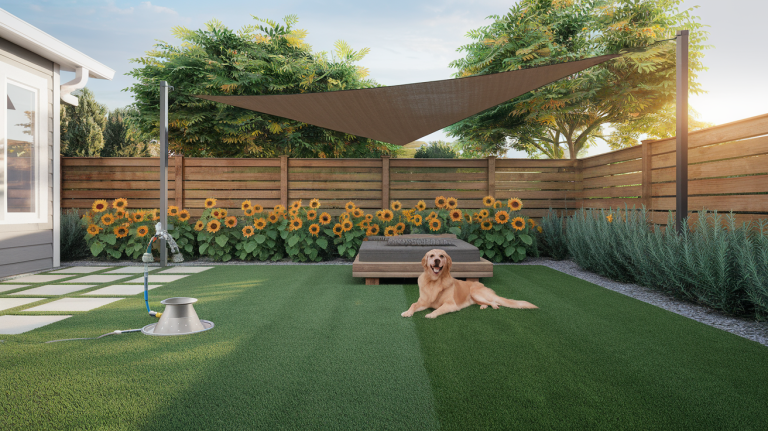
All composite and PVC decking absorbs more heat than natural wood in direct sun — this is physics, not a brand failing. Lighter color tones reflect more heat and stay noticeably cooler underfoot on 95-degree Texas afternoons. If your deck is fully sun-exposed, prioritize lighter color options and pair with a pergola or shade sail overhead. This matters especially for barefoot households with children or pets.
FAQ
Does composite decking get hot?
Yes — all composite absorbs heat in direct sun. Lighter colors stay cooler. A pergola or shade structure largely solves this. In Texas summers, fully sun-exposed dark composite can reach 150°F+ surface temperature — legitimately too hot for bare feet. If sun exposure is a concern, choose a light-colored board and add overhead shade to the build plan from day one.
Can I install it myself?
Yes — installs similarly to wood. Need 16″ on-center joist spacing, proper hidden fastener system, and appropriate expansion gaps. The key difference from wood is that composite requires more precise spacing for thermal expansion — boards grow and contract measurably with temperature changes. Following manufacturer specs here isn’t optional; skipping expansion gaps leads to buckling in summer heat.
How does cost compare to wood?
Materials: $3–$8/linear ft composite vs. $1–$3 for pressure-treated pine. Factor in zero annual maintenance vs. $200–$500/year for wood staining — composite breaks even within 7–10 years for most homeowners. When you include the labor cost of annual refinishing (whether DIY time or hired out), composite often comes out ahead even faster than the raw material math suggests.
What’s the difference between composite and PVC decking?
Traditional composite boards blend recycled wood fiber with plastic binders — they look more natural but retain some wood-like vulnerability to moisture if the cap layer is damaged. Full PVC decking (like TimberTech AZEK) contains no wood fiber at all, making it completely impervious to moisture, rot, and insects. PVC costs more but is the right call for applications near water. For a standard backyard deck, quality composite performs excellently and costs less.
Does composite decking require any maintenance at all?
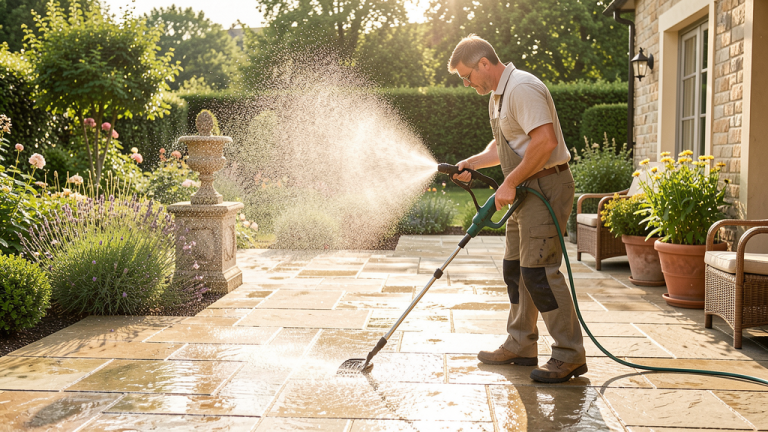
Very little — and that’s the whole point. Annual cleaning with a garden hose and occasional scrubbing with soap and water is sufficient for most composite decks. Avoid pressure washing at high PSI directly into the board grooves, as this can push debris in rather than out. Some brands recommend a low-pressure rinse 2–3 times per year in high-pollen or high-dust environments. That’s genuinely it — no sealing, staining, or sanding required.
Bottom Line
Trex Transcend for most homeowners — it’s proven, widely available, and backed by a warranty that holds up in practice. TimberTech AZEK for coastal or high-moisture situations where full PVC construction pays for itself in longevity. Fiberon Horizon when covering a large deck and budget is the primary constraint without wanting to sacrifice quality. Whichever brand you choose, composite decking is one of the smartest long-term investments you can make in a backyard — it eliminates the maintenance cycle permanently and holds its appearance for decades.
Prices subject to change. We may earn a commission on qualifying purchases.
Related Guides
🌿 Need Professional Installation in Texas?
If you’re in the DFW, Austin, or Southern Oklahoma area, Cabana Theory specializes in premium shade structures — pergolas, shade sails, retractable awnings, and custom outdoor living builds. Professional installation, top-tier materials, designed for the Texas heat.
Disclosure: This post contains affiliate links. As an Amazon Associate and Vevor affiliate, Cabana Culture earns from qualifying purchases at no extra cost to you. See our full affiliate disclosure.