Best Backyard Landscaping Ideas for 2026 — Transform Any Outdoor Space
Bottom line up front: The best backyard transformations start with one strong design anchor — a pergola, fire pit, or defined garden zone — and build outward from there. Whether you’re working with a postage-stamp suburban lot or a sprawling half-acre, the same principles apply: define your zones, add structure before plants, and layer in lighting and privacy as the budget allows.
Why Backyard Design Matters More Than People Realize
A backyard without intentional design is just a rectangle of grass. The same space with thoughtful layout becomes an outdoor room — somewhere you actually want to spend time, entertain guests, and relax. The difference isn’t always about budget; it’s about having a clear concept and executing it well. Studies on home value consistently show that a well-designed outdoor living area returns 60–80% of its cost in resale value — often more in sunbelt markets where outdoor living season is nearly year-round. Even modest improvements compound quickly: a defined patio, some overhead shade, and pathway lighting can double the functional hours you spend outside each week.
1. The Pergola Shade Zone
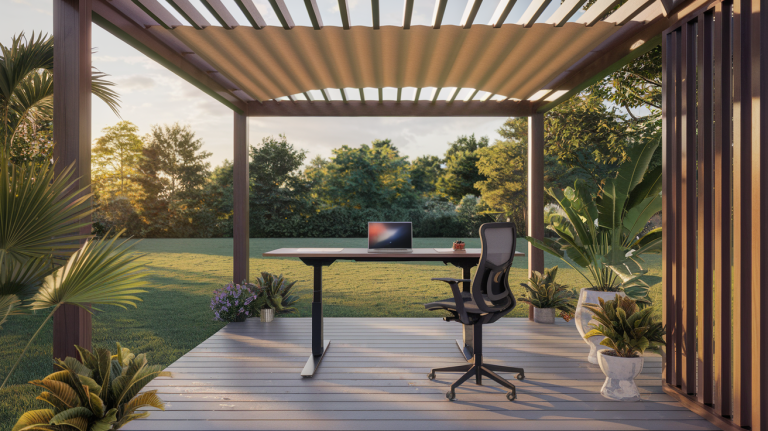
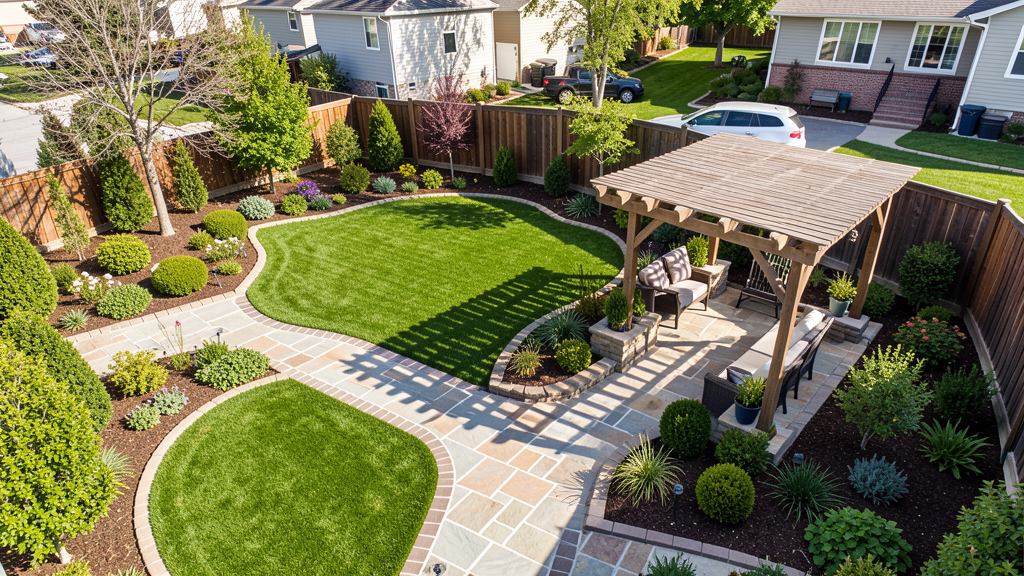
A pergola creates instant architectural definition and provides overhead shade for a seating or dining area. Modern aluminum pergolas install in a weekend with zero maintenance required. Position it adjacent to your back door to create seamless indoor-outdoor flow. Add a ceiling fan for hot climates and an outdoor rug to define the floor plane. For DFW and Austin homeowners, a properly shaded pergola extends usable outdoor hours by 3–4 hours per day in summer. This option is ideal for families who entertain regularly and want a true “room” feel outdoors.
2. Fire Pit Seating Area
A fire pit creates a natural gathering focal point that extends your outdoor season into fall and spring. Design a 10–12 foot diameter seating ring around a 36–48 inch fire pit. Use crushed gravel or pavers as the floor surface — not grass, which fire proximity kills. Gas fire pits offer one-button convenience; wood-burning pits deliver the authentic experience. This zone works especially well for homeowners who love evening entertaining — the fire draws people in and makes a backyard feel complete even before major landscaping is done.
3. Raised Bed Kitchen Garden
Three to five raised beds in a purposeful layout turns unused lawn space into a productive feature. Use metal or cedar beds at 17-inch height for a polished look. Add a central stepping stone pathway, drip irrigation header, and a small potting bench. Surround with ornamental grasses or lavender as a border. Raised beds are ideal for home cooks, families with kids, and anyone looking to reduce grocery bills while adding genuine visual interest to the yard.
4. Pathway Lighting Design
Strategic lighting transforms the backyard at night. Light the edges, not the center. Solar path lights along walkway edges, uplights on anchor plants, and string lights under a pergola create layered depth. Use warm white (2700K–3000K) throughout for cohesive ambiance. Smart solar lights with dusk-to-dawn sensors require zero effort after installation. Lighting is the highest-ROI upgrade for evening entertaining — inexpensive, installs in an afternoon, and makes even an unfinished yard feel intentional after dark.
5. Privacy Screen + Planting
Combine structural screening with living plants for the most effective privacy. A cedar or metal panel creates immediate screening; layer ornamental grasses or clumping bamboo in front to soften the hard line and create depth. Muhly grass, Gulf Muhly, and native ornamental grasses provide year-round low-maintenance screening that looks spectacular from October through spring in Texas climates. This approach is best for homeowners on tight lots or those with close neighbors.
6. Outdoor Kitchen Corner
A freestanding grill island — 6–8 feet long with built-in grill, side burner, refrigerator, and storage — creates a functional outdoor kitchen without full built-in costs. Add a pergola or pavilion roof for shade and weather protection. Run a gas line to eliminate propane tank management. This setup makes the most sense for avid grillers and hosts who cook for groups — it’s a practical upgrade that also dramatically boosts appraisal value.
7. Water Feature Focal Point
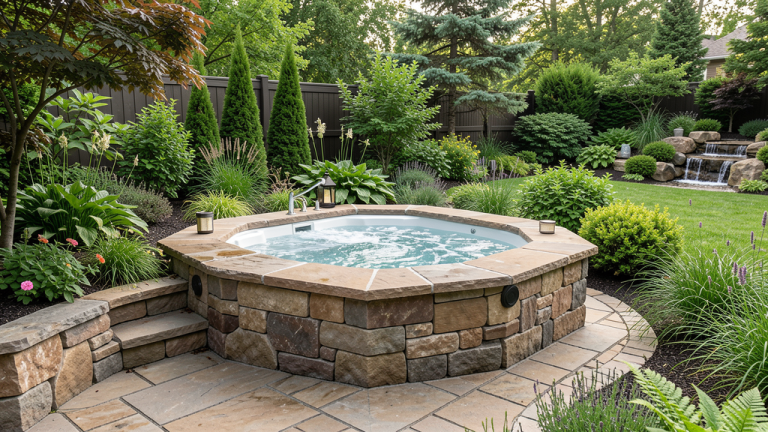
A self-contained fountain requires no plumbing — just a submersible pump and a power outlet. Moving water masks street noise and creates a relaxing atmosphere in any seating area. Modern poured concrete, natural stone, and corrugated metal styles fit contemporary aesthetics cleanly. Water features are particularly valuable in urban and suburban yards where ambient noise is a constant presence.
8. Lawn-Free Low-Maintenance Zone
Replace difficult-to-mow side yards or heavily shaded zones with decomposed granite, mulch, or low-growing groundcover. Creeping thyme, mondo grass, and sedums create a carpet effect with zero mowing. Every square foot of lawn you convert reduces mowing time, water use, and ongoing cost. This strategy is ideal for busy households and for shaded areas where turf struggles to grow well anyway.
What to Look For When Planning Your Backyard
Your Primary Use Case
Before buying anything, decide how you actually use your yard. Entertaining requires different investments than quiet relaxation or gardening. A family with young children needs open lawn and safe play areas; a couple who hosts dinners needs defined cooking and dining zones. Be honest about your lifestyle before committing to a design direction — the wrong anchor element can set a project back by a full season.
Sun Exposure and Shade Timing
Map your yard’s sun patterns before positioning any permanent structure. South and west-facing yards in Texas need maximum shade on the afternoon side. A pergola, sail shade, or large patio umbrella positioned on the west side of a seating area can drop perceived temperature by 10–15 degrees. Check shade timing at 3 PM on a summer day — that’s your hottest window and the location you most need covered.
Budget Phasing Strategy
Great backyards are built in phases — not all at once. Prioritize high-impact, high-durability investments first: a concrete or paver patio base, overhead structure, and lighting. Furniture, plants, and accessories come later and can be upgraded incrementally. Spending $4,000 on a solid hardscape foundation produces far better results than spreading $10,000 evenly across everything at once.
Maintenance Tolerance
Be realistic about how much upkeep you’re willing to do. Natural wood structures require annual sealing. Grass needs weekly mowing through the growing season. If you want low maintenance, lean into aluminum structures, native perennial plants, mulched beds, and drip irrigation. Every design decision has a long-term maintenance cost — factor that in before you commit.
FAQ
Where should I start with a blank backyard?
Structure before plants. Decide where seating, dining, and garden zones go. Lay out pathways. Add hardscape first (patio, pergola, raised beds), then softscape (lawn, planting beds). Starting with planting before layout is the most common mistake.
How much does a backyard makeover cost?
DIY improvements in phases: $2,000–$10,000 over 2–3 years. A pergola + fire pit area: $3,000–$6,000 DIY. Full professional design and installation: $15,000–$40,000 depending on scope.
Shop Landscape Edging on Amazon →
What’s the best low-maintenance approach?
Native plants, mulched beds, drip irrigation, and minimal lawn. Native plants need minimal supplemental watering once established. Replace high-maintenance annuals with perennial natives that return reliably every year.
Shop Stepping Stones on Amazon →
Can I add value without a big budget?
Absolutely. Solar path lighting, outdoor string lights, a few large planter containers, and a pressure-washed patio can completely transform a yard for under $500. Clean edges, defined beds, and fresh mulch add perceived value that often outpaces the actual spend.
What are the most common backyard design mistakes?
Furniture too small for the space. Skipping overhead shade in hot climates. Planting before hardscape is finished. Under-budgeting for lighting. Ignoring privacy from neighboring sight lines. Each is easily avoided with upfront planning — sketch a rough layout on paper before purchasing anything structural.
Bottom Line
Start with the pergola or fire pit as your anchor. Add pathway lighting for immediate impact. Build out over seasons. Great backyards aren’t built in a weekend — they’re layered thoughtfully over time, and every element added makes meaningful progress. Pick the one idea from this list that fits your lifestyle and budget right now, execute it well, and let that success carry you into the next phase.
Shop Solar Landscape Lights on Amazon →
Shop Raised Garden Beds on Amazon →
Content is informational. Product recommendations and pricing subject to change.
Related Guides
🌿 Need Professional Installation in Texas?
If you’re in the DFW, Austin, or Southern Oklahoma area, Cabana Theory specializes in premium shade structures — pergolas, shade sails, retractable awnings, and custom outdoor living builds. Professional installation, top-tier materials, designed for the Texas heat.
Disclosure: This post contains affiliate links. As an Amazon Associate and Vevor affiliate, Cabana Culture earns from qualifying purchases at no extra cost to you. See our full affiliate disclosure.
Recommended Products:
landscape edging
garden pavers
solar lighting
mulch
landscape fabric
retaining wall blocks
drip irrigation kits
landscape edging
garden border