Should I Buy a Pool Heat Pump? The Honest Math for Pool Owners
## Should I Buy a Pool Heat Pump? The Honest Math for Pool Owners
Most pool owners lose two to three months of swimming every year. Not because the weather isn’t good enough — but because the water is. That shoulder season, late April through May and September through October, is 60–70°F water that nobody wants to get into. A heat pump solves exactly that.
But a pool heat pump costs $2,000–$3,000 upfront, and that number gives people pause. Is it actually worth it? That depends on a few things — where you live, how often you swim, and whether you’re comparing it against the right alternatives. Let’s do the honest math.
—
### What a Pool Heat Pump Actually Does (And How It’s Different)
A heat pump doesn’t generate heat the way a gas heater does. It moves heat. The unit pulls warmth from the ambient air — even air as cool as 50°F contains usable heat energy — and transfers it into your pool water through a refrigerant cycle. Think of it like a reverse air conditioner.
That’s why heat pumps are dramatically more efficient than gas heaters. A gas heater converts fuel to heat at roughly 80–85% efficiency. A heat pump delivers 5 units of heat energy for every 1 unit of electricity it consumes — a COP (coefficient of performance) of 5:1 or better.
**How it stacks up against the alternatives:**
| Heater Type | Upfront Cost | Monthly Running Cost | Best For |
|—|—|—|—|
| Gas heater | $800–$1,500 | $150–$300 | Fast heat-up, short swim seasons |
| Solar heater | $2,500–$4,000 installed | ~$0 | Warm climates, patience |
| Electric heat pump | $2,000–$3,000 | $50–$120 | Best long-term value |
Gas heaters win on speed — they can raise water temp by 1°F per hour on a 20,000-gallon pool. Heat pumps are slower (1°F per 2–3 hours), but they cost 60–80% less to operate monthly. Solar is cheapest to run but requires installation, roof space, and a contractor. Heat pumps plug into your existing electrical panel (with a new 240V circuit) and sit next to the pool equipment.
—
### The Real Cost Breakdown
**Upfront:**
– Heat pump unit: $2,000–$3,000
– Electrician for 240V circuit: $300–$600
– Plumbing tie-in (if not DIY): $200–$400
– **Total installed: ~$2,500–$4,000**
**Monthly operating cost:**
A heat pump running 8 hours/day at 5kW average draw costs roughly:
– 5 kW × 8 hours = 40 kWh/day
– At $0.13/kWh (national average): ~$5.20/day
– Over a 30-day month: **~$156/month**
In practice, once the pool is up to temperature, the pump cycles less frequently. Real-world costs typically run $50–$120/month depending on climate, target temperature, and how well you use a pool cover.
**ROI calculation:**
If a heat pump extends your swim season by 10 weeks — from mid-May through late September instead of late June through August — that’s 70 additional swim days. If you value a pool day at even $20 (what it costs to visit a community or hotel pool), that’s $1,400 in added value per year. At $600–$700 in annual operating costs, you’re ahead by $700+ annually. Most heat pumps last 10–15 years, so the math over the life of the unit is straightforward.
For families with kids, the ROI is even clearer. You’ll use the pool in April and October. You’ll have the pool open Memorial Day weekend. That alone is worth the investment for a lot of households.
—
### What Size Do You Need? (BTU by Pool Gallons)
The general rule: **10,000 BTU per 10,000 gallons of pool water.** But climate matters — in Texas or Florida, you can size down slightly. In Missouri or the Carolinas, size up.
To find your pool’s gallons:
– **Rectangle:** Length × Width × Avg Depth × 7.5
– **Round:** Diameter² × Avg Depth × 5.9
– **Oval:** Length × Width × Avg Depth × 6.7
| Pool Size | Gallons (approx) | Recommended BTU |
|—|—|—|
| 12×24 ft | ~10,000 gal | 60,000–70,000 BTU |
| 16×32 ft | ~15,000–18,000 gal | 80,000–90,000 BTU |
| 18×36 ft | ~22,000 gal | 90,000–105,000 BTU |
| 20×40 ft | ~28,000 gal | 100,000–120,000 BTU |
—
### The Vevor Heat Pumps: Where the Value Lives
Vevor has quietly built a reputation in pool equipment by manufacturing units that compete directly with Hayward and Pentair at half the price. Their heat pumps use All-DC inverter technology — meaning the compressor, fan motor, and water pump motor all run on variable-speed DC drives instead of single-speed AC motors. This translates to real efficiency gains and quieter operation.
Both models include WiFi app control, so you can check water temp and adjust settings from your phone. They have built-in safety protections: low refrigerant detection, high-pressure cutoff, freeze protection, and anti-surge circuits. These aren’t stripped-down budget units — they’re full-featured heat pumps with digital displays and legitimate specs.
**For pools up to 22,454 gallons (most 16×32 to 18×32 ft pools):**
The [Vevor 88,850 BTU Pool Heat Pump ($2,006)](https://www.vevor.com/other-c_45583/vevor-pool-heat-pump-max-88850-btu-electric-pool-heater-for-in-ground-up-to-22454-gallons-all-dc-inverter-technology-wifi-app-remote-control-multiple-protection-for-swimming-parties-p_010559477279?lang=en¤cy=usd&utm_source=inhouse&utm_medium=affiliate&utm_campaign=21406217&shortkey=20260926wDYa) is the right call for the majority of residential in-ground pools. At under $2,100 with the specs this unit carries, it’s honestly hard to justify spending $3,500+ on a Hayward HeatPro for the same application.
**For pools up to 27,738 gallons (larger 18×36 and 20×40 pools):**
The [Vevor 104,790 BTU Pool Heat Pump ($2,779)](https://www.vevor.com/other-c_45583/vevor-pool-heat-pump-max-104790-btu-electric-pool-heater-for-in-ground-up-to-27738-gallons-all-dc-inverter-technology-wifi-app-remote-control-multiple-protection-for-swimming-parties-p_010952982703?lang=en¤cy=usd&utm_source=inhouse&utm_medium=affiliate&utm_campaign=21406217&shortkey=20260926wDY5) steps up for larger pools where undersizing costs you in heat-up time and recovery. If your pool is over 22,000 gallons, don’t try to stretch the 88K BTU unit — the extra $773 is worth it.
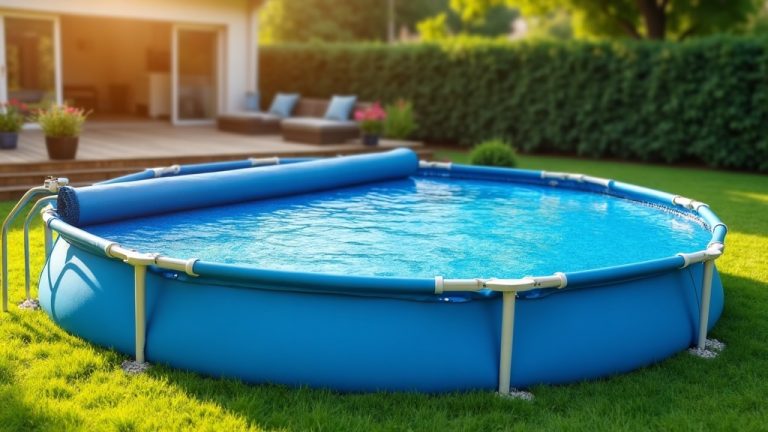
Both units are designed for in-ground pools. Above-ground pool owners can use them, but check that your pool’s filtration pump flow rate matches the heat pump’s specified range.
—
### Installation: What’s Actually Involved
Here’s the honest breakdown of what it takes:
**What you can DIY:**
– Mounting the unit on a concrete pad (or pavers) near existing pool equipment
– Plumbing connection using flexible PVC to your existing return line
– Setting clearances (12″ on sides, 24″ above for airflow)
**What requires a licensed electrician:**
– Running a new 240V, 30–60A dedicated circuit from your breaker panel
– Installing the disconnect box within sight of the unit
– Connecting the power leads to the unit’s terminal block
Plan on $300–$600 for the electrical work. Get a quote first — some electricians will try to charge $900+ for what is genuinely a 3–4 hour job.
**What you should NOT skip:**
– Pool cover. A good solar cover can cut heat pump run time by 40–50%. Get one. solar pool cover 16×32
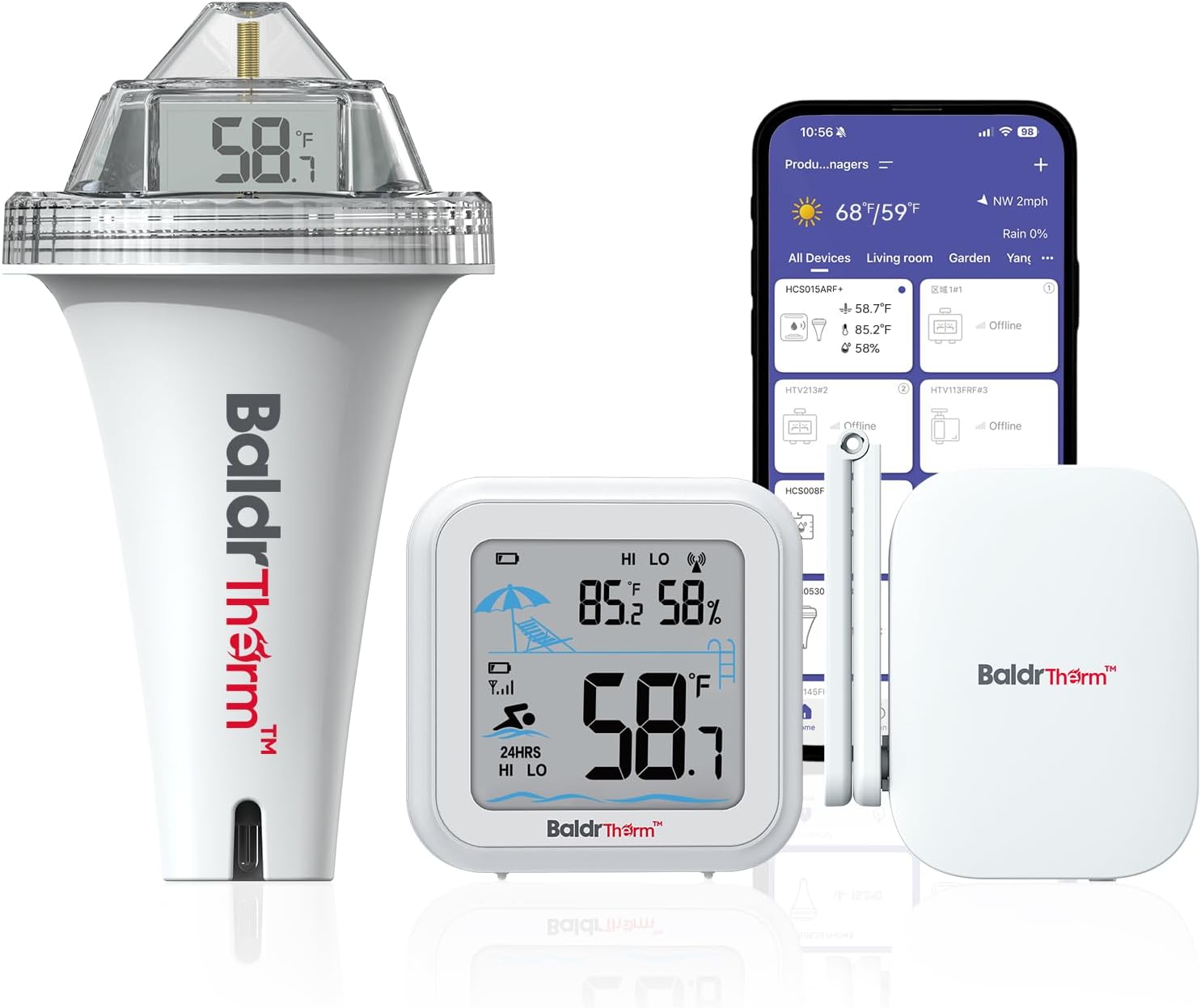
– Timer settings. Program the heat pump to run during the warmer parts of the day — it works best when ambient air is 60°F+.
—
### FAQ
**How long does a pool heat pump last?**
10–15 years with basic maintenance. The main items to keep up: clean the air coils annually with a hose (not a pressure washer), check refrigerant every 3–5 years, and make sure airflow around the unit is unobstructed.
**Can a heat pump heat a pool overnight?**
It can maintain temperature overnight, but it won’t efficiently *raise* temperature — heat pumps are least effective below 50°F ambient, which is most nights in the shoulder season. The smart approach: heat the pool up to temp during the day, then use a pool cover at night to hold it.
**Does it work in cold weather?**
Most residential heat pumps operate down to 45–50°F ambient air temp. Below that, performance drops significantly and the unit may go into freeze-protection mode. If you’re in the South — Texas, Oklahoma, Georgia, Florida — this is almost never an issue. In northern climates, a heat pump extends the season by 6–8 weeks each way, but you’re not swimming in December.
**What’s the difference between a heat pump and a “solar heat pump”?**
Marketing. Some manufacturers call inverter-driven heat pumps “solar-compatible” — they mean the unit runs efficiently enough that it pairs well with solar panels on your home. It’s not a solar heater; it still draws from the grid.
—
### The Bottom Line
If you live in Texas, Oklahoma, the Southeast, or anywhere with a shoulder season of 6+ weeks on each end, a pool heat pump pays for itself within 2–3 years and then runs at a fraction of what gas costs. The Vevor units hit a price point that makes the ROI math even more favorable — you’re not waiting 5 years to break even.
For most 16×32 to 18×36 pools, start with the [88,850 BTU Vevor ($2,006)](https://www.vevor.com/other-c_45583/vevor-pool-heat-pump-max-88850-btu-electric-pool-heater-for-in-ground-up-to-22454-gallons-all-dc-inverter-technology-wifi-app-remote-control-multiple-protection-for-swimming-parties-p_010559477279?lang=en¤cy=usd&utm_source=inhouse&utm_medium=affiliate&utm_campaign=21406217&shortkey=20260926wDYa). If your pool is pushing 25,000+ gallons, move up to the [104,790 BTU model ($2,779)](https://www.vevor.com/other-c_45583/vevor-pool-heat-pump-max-104790-btu-electric-pool-heater-for-in-ground-up-to-27738-gallons-all-dc-inverter-technology-wifi-app-remote-control-multiple-protection-for-swimming-parties-p_010952982703?lang=en¤cy=usd&utm_source=inhouse&utm_medium=affiliate&utm_campaign=21406217&shortkey=20260926wDY5). Either way, pair it with a pool cover and get your electrician scheduled — you could be swimming in May.
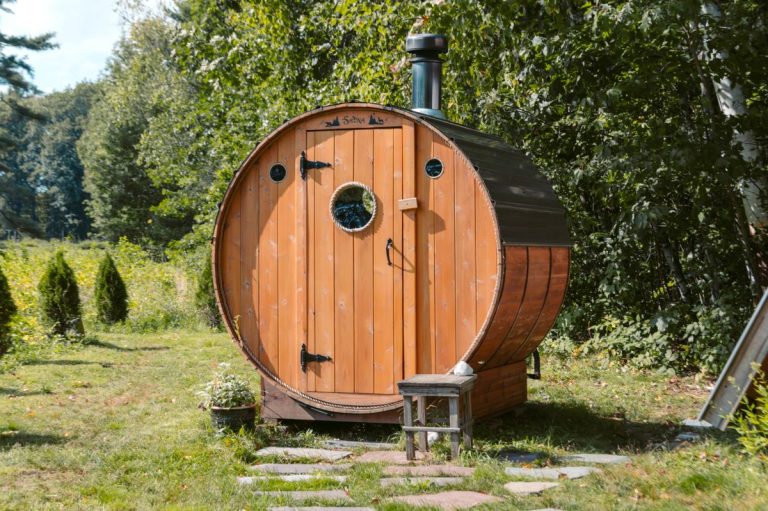
If you’re investing in backyard wellness infrastructure, a pool heat pump pairs naturally with a backyard sauna — both extend how you use your outdoor space year-round.
For keeping the poolside comfortable on cool evenings after you’ve extended the swim season, check out the best outdoor patio heaters for fall entertaining.
—
—
Products Mentioned in This Guide
As an Amazon Associate and Vevor affiliate, Cabana Culture earns from qualifying purchases at no extra cost to you.
Looking for a Pool Cover?
Cover Your Pool offers premium automatic and manual pool covers with professional installation.