Wood-Fired vs. Gas Pizza Oven: Which One Do You Actually Want?
## Wood-Fired vs. Gas Pizza Oven: Which One Do You Actually Want?
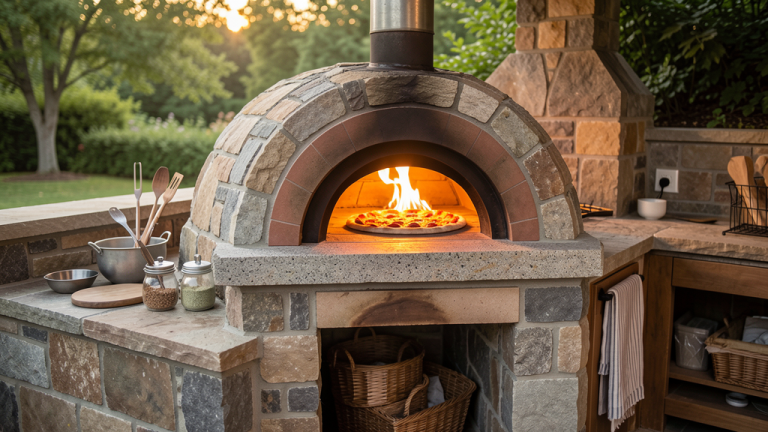
Be honest with yourself for a second. When you picture an outdoor pizza oven, you’re seeing roaring flames, billowing smoke, and a leopard-spotted crust emerging from 800°F of Italian-style heat. That image is the wood-fired oven. Now picture a Tuesday night, 6:45 PM, two kids hungry, and 45 minutes before the fire is even ready to cook on. That image is reality.
This isn’t a knock on wood-fired ovens. They’re legitimate, they produce genuinely better crust under the right conditions, and the ritual of building a fire before dinner is something some people genuinely love. But most people — if they’re being honest — want the *result* of wood-fired cooking without the commitment. And that’s exactly why dual-fuel ovens exist.
Let’s settle this honestly.
—
### The Real Difference in Flavor
Wood-fired proponents aren’t wrong. There is a difference. When you’re burning hardwood or fruitwood — oak, cherry, apple — you get actual combustion byproducts that deposit on the food. Volatile aromatic compounds in the smoke do interact with the dough and toppings in the last 90 seconds of a high-heat cook.
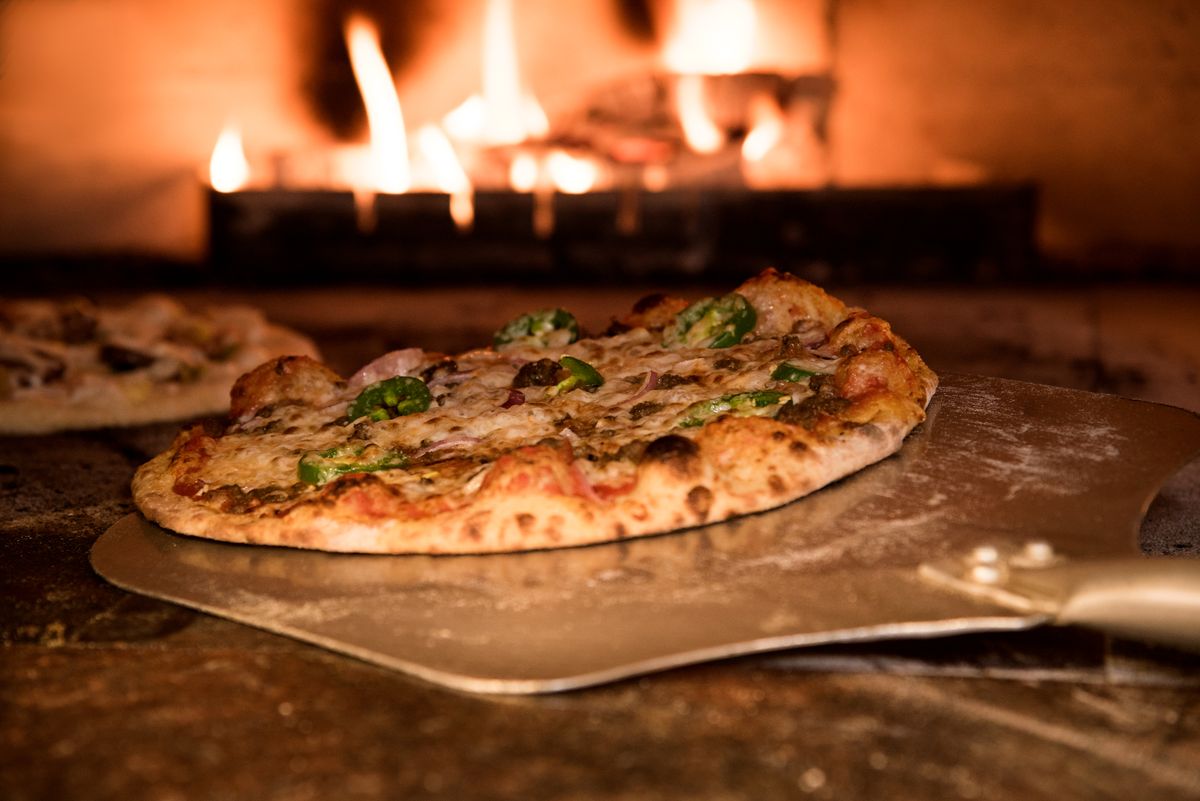
But here’s what nobody tells you: that smoke flavor is subtle. It’s more about the high heat and the cooking environment than the wood itself. Pizza cooked at 800°F in a gas oven with a properly pre-heated stone is 90% of the way there. The char, the leopard spotting on the crust, the slight pull-back of the edges — all of that comes from radiant heat and a screaming-hot cooking surface, not from the fuel source.
After the first 10 or 15 pizzas, most people stop noticing the difference between their wood-fired and gas-fired results. What they do notice is that gas was ready in 15 minutes and wood took an hour.
**The one scenario where wood genuinely wins:** if you’re doing long, slow cooks — bread, whole chickens, vegetables — the extended smoke exposure matters. For pizza specifically? The difference is real but modest, and convenience almost always wins in daily use.
—
### The Convenience Reality Check
Here’s what cooking with wood actually looks like:
1. Source and store dry hardwood (wet wood smokes poorly and doesn’t get hot enough)
2. Build and light the fire: 10–15 minutes
3. Let it establish and heat the stone: another 30–45 minutes
4. Maintain fire during cooking: feeding wood every 10–15 minutes
5. Total startup to first pizza: **45–75 minutes**
And with gas:
1. Open the valve, ignite, set temperature
2. Pre-heat: **15 minutes** to 700–800°F
3. Cook, eat, turn off the gas
If you host dinner parties once a month, wood-fired is a feature — it’s part of the experience, the conversation starter, the spectacle. If you want to make pizza on a random Wednesday, gas is the only way you’ll actually use the oven regularly.
—
### The Case for Dual-Fuel
Dual-fuel pizza ovens solve the problem without compromise. Run gas when you want speed and convenience. Run pellets or wood when you want the flavor and the experience. One oven, both modes, no tradeoffs.
Pellets — compressed hardwood, the same kind used in Traeger-style grills — are the practical middle ground in dual-fuel ovens. They ignite faster than split logs, produce consistent heat, and impart genuine wood smoke. You can get pizza-ready on pellets in 25–30 minutes. It’s not as fast as pure gas, but it’s not a 90-minute process either.
The dual-fuel approach also means you’re not locked into infrastructure. No propane plumbing permanently running to a fixed oven. No cord of hardwood taking up garage space. You can bring the oven to a friend’s house, take it camping, use it on the back patio or in the driveway. That portability matters more than most people realize before they own a pizza oven.
—
### The Vevor Dual-Fuel Pizza Ovens
Vevor builds two outdoor pizza ovens that cover the range from serious home cook to large-group entertaining. Both run on wood pellets or propane gas, both are genuinely portable (casters included), and both hit a price point that’s well below the competition from brands like Ooni and Gozney.
**Vevor 22″ Dual-Fuel Pizza Oven — The Everyday Pick ($1,231)**
The [22″ Vevor portable pellet/gas pizza oven](https://www.vevor.com/commercial-pizza-oven-c_10580/vevor-22-outdoor-pizza-oven-portable-pellet-gas-oven-with-casters-for-camping-p_010540019021?lang=en¤cy=usd&utm_source=inhouse&utm_medium=affiliate&utm_campaign=21406217&shortkey=20260926wDse) is sized for families and regular entertaining — up to 12-inch pizzas, true dual-fuel operation, and the caster-wheel base means it moves easily around a patio or into storage. For most households making 2–4 pizzas at a time, this is the right size. The 22″ cooking surface gives you room to rotate the pizza during the cook, which matters at high heat.
**Vevor 26″ Dual-Fuel Pizza Oven — For the Serious Host ($959)**
The [26″ version](https://www.vevor.com/commercial-pizza-oven-c_10580/vevor-dual-fuel-pizza-oven-outdoor-26-in-portable-pellet-gas-oven-with-casters-for-camping-p_010959696699?lang=en¤cy=usd&utm_source=inhouse&utm_medium=affiliate&utm_campaign=21406217&shortkey=20260926wDsf) adds cooking real estate — useful when you’re running pizzas back-to-back for a group or cooking larger 14–16″ pies. Note that the 26″ is actually priced *lower* ($959 vs $1,231) — if you’re on the fence about size, that pricing makes the larger oven the easy call.
Both models are built for outdoor use with camping and tailgate applications in mind, so they’re overbuilt for a backyard patio. The stainless construction holds up, the pellet hopper feeds consistently, and the gas burner gets to temperature reliably.
—
### What You Need Alongside It
No matter which oven you go with, a few accessories make or break the experience:
**Pizza peel** — a must-have for launching and retrieving pies at high heat. Wood for building the pizza, perforated aluminum for launching. pizza peel set wood and aluminum
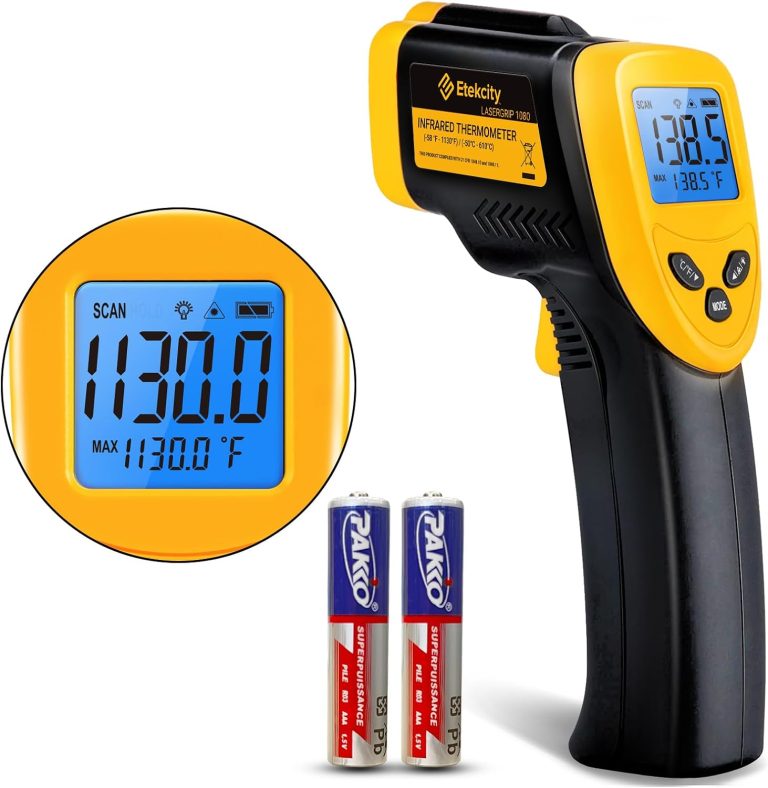
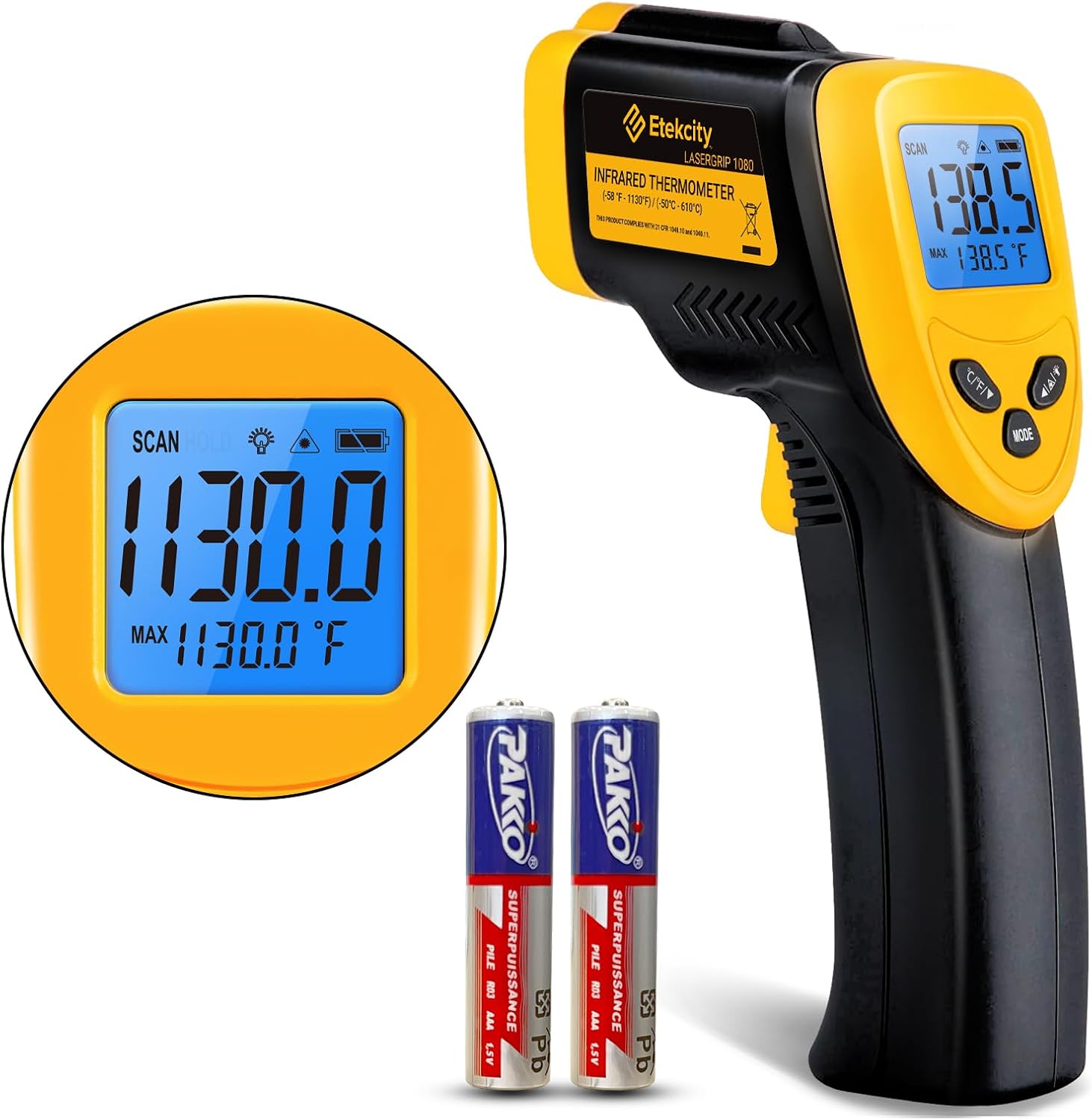
**Infrared thermometer** — don’t guess on stone temperature. You want 700–800°F on the cooking surface before the first pizza goes in. infrared laser thermometer
**Pizza cutter/rocker** — a proper 14″ rocker blade makes clean cuts on thin-crust pizza that a wheel struggles with. pizza rocker blade 14 inch
**Food-grade wood pellets** — use hardwood pizza-specific pellets, not the compressed wood pellets sold for heating stoves. Apple, cherry, and oak blends are widely available and produce clean, aromatic smoke. wood pellets for pizza oven apple cherry blend
—
### FAQ
**Can you use a pizza oven for more than pizza?**
Yes, and you should. At high heat (700–900°F), a pizza oven is exceptional for searing steaks, cooking flatbreads and naan, roasting vegetables in cast iron, and baking bread. Once you start using it as a general high-heat outdoor oven, you’ll wonder how you cooked without it. Drop the temp to 500–600°F for slower cooks like roasted chicken or potatoes.
**How hot does it get?**
These ovens reach 900°F+ at maximum output — legitimately approaching the temperature of traditional Neapolitan pizza ovens. Cooking temperature for pizza is 700–800°F on the stone. At that temp, a 10–12″ pizza cooks in 60–90 seconds and needs to rotate halfway through.
**Is it hard to clean?**
No. At high heat, most food residue burns off the stone — the same self-cleaning principle as a hot oven. Brush the stone with a pizza oven brush after it cools slightly. The exterior wipes down with a damp cloth. The biggest maintenance item is covering it when not in use to keep moisture off the stone.
**How does it compare to an Ooni or Gozney?**
Ooni Karu 16 runs $799 for wood/charcoal only, $900+ for gas attachment. Gozney Dome starts at $1,699. The Vevor ovens undercut both on price while matching on cooking specs. The tradeoff is brand recognition and the community/recipe ecosystem around Ooni. For pure cooking performance per dollar, Vevor is hard to beat.
—
### The Call
If you’ve been going back and forth between wood and gas, stop. Get a dual-fuel oven and stop compromising. The [26″ Vevor ($959)](https://www.vevor.com/commercial-pizza-oven-c_10580/vevor-dual-fuel-pizza-oven-outdoor-26-in-portable-pellet-gas-oven-with-casters-for-camping-p_010959696699?lang=en¤cy=usd&utm_source=inhouse&utm_medium=affiliate&utm_campaign=21406217&shortkey=20260926wDsf) is priced lower than the 22″ right now, making the size upgrade a no-brainer. If you specifically want the more compact footprint, the [22″ model ($1,231)](https://www.vevor.com/commercial-pizza-oven-c_10580/vevor-22-outdoor-pizza-oven-portable-pellet-gas-oven-with-casters-for-camping-p_010540019021?lang=en¤cy=usd&utm_source=inhouse&utm_medium=affiliate&utm_campaign=21406217&shortkey=20260926wDse) delivers the same dual-fuel capability in a tighter package.
Explore more outdoor kitchen upgrades in the [outdoor kitchens category](/category/outdoor-kitchens).
If you love cooking and entertaining outside with live fire, a dedicated fire pit is the natural companion to an outdoor pizza oven — see our picks for best fire pits for fall entertaining.
Building out your backyard with an outdoor kitchen often goes hand-in-hand with securing the space — if that’s on your list, the DIY automatic gate opener installation guide walks through the full process.
—
—
Products Mentioned in This Guide
As an Amazon Associate and Vevor affiliate, Cabana Culture earns from qualifying purchases at no extra cost to you.