Cold Plunge Pools for Your Backyard — Cost, Brands and What to Know in 2026
Cold Plunge Pools for Your Backyard — Cost, Brands & What to Know in 2026
Cold plunge pools have moved from elite athletic training facilities to suburban backyards — and the growth shows no signs of slowing. Whether you’re chasing faster muscle recovery, a clearer head before the workday, or simply the invigorating ritual of cold-water immersion, a dedicated backyard cold plunge can deliver results that no morning shower can match. But the market has exploded with options: prefab tubs, DIY stock-tank builds, chilled in-ground pools, and everything in between. Price tags range from under $500 to well over $20,000. This guide cuts through the noise — covering real costs, the best-reviewed brands of 2026, setup considerations, and the honest pros and cons so you can make the right call for your backyard and your budget.
affiliate link1. The Plunge — Best Overall Cold Plunge for Backyards
The Plunge has consistently topped independent reviews and earns its reputation. Its insulated acrylic shell holds water as low as 39°F with a built-in filtration and chilling unit, meaning no lugging bags of ice — ever. The All-In model adds heating so you can run it warm in winter, effectively giving you a hot tub and cold plunge in one unit. The footprint is compact enough for most patios, and the controls are intuitive. At around $4,990–$6,990 depending on the configuration, it’s a serious investment, but owners consistently report it paying for itself in reduced recovery time and daily use motivation. The build quality is genuinely premium — thick walls, quality fittings, and a system designed to run year-round outdoors in most U.S. climates.
2. Sun Home Cold Plunge Pro — Best Mid-Range Pick
Sun Home’s Cold Plunge Pro hits a competitive sweet spot at around $3,490. It maintains temperatures between 37°F and 105°F (yes, it heats too), runs on standard 110V power, and ships fully assembled. The insulated shell and UV-protected exterior make it suitable for permanent outdoor installation. Real users praise the quiet chiller motor and the simple digital controls. It’s slightly smaller than The Plunge, which makes it a better fit for tighter patios or deck corners. If you want a purpose-built cold plunge without the premium price of the top-tier options, the Sun Home Pro is where most buyers land after honest research. The app integration for temperature scheduling is a genuinely useful feature that earns its keep.
3. Redwood Outdoors Alaskan Cold Plunge — Best Premium Cedar Build
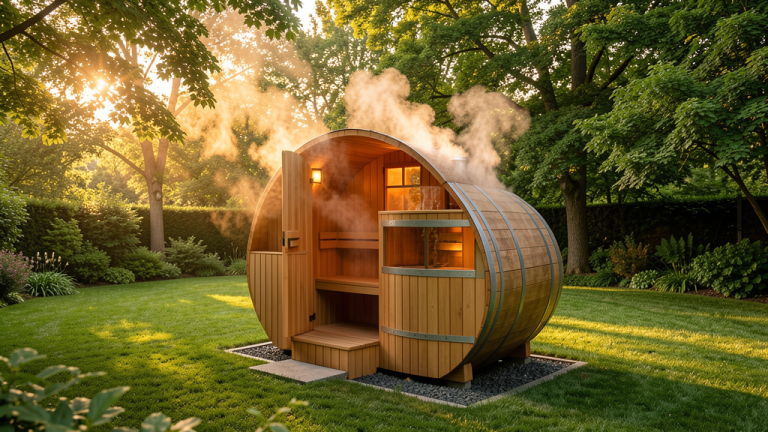
If aesthetics matter as much as performance, the Redwood Outdoors Alaskan Cold Plunge stands apart. Built from Western red cedar with commercial-grade chilling hardware, it looks like a piece of crafted outdoor furniture rather than medical equipment. Temperatures drop to 37°F and the cedar naturally resists mold and mildew without chemical treatments. It’s available in several sizes and can be fitted with jets or ozone sanitation upgrades. Starting around $5,500, it’s not cheap — but if your backyard has a designed outdoor living space and aesthetics are non-negotiable, the cedar barrel aesthetic justifies every dollar. It pairs especially well next to a wood-fired sauna setup for classic contrast therapy.
4. Polar Dive PRO — Best Budget Chilled Plunge Under $2,500
The Polar Dive PRO has carved out a loyal following for delivering real cooling performance (down to 40°F) at a price point that won’t require a payment plan. At around $1,999–$2,499, it uses an external chiller unit that attaches to most standard tub setups and includes a built-in ozone sanitation system to keep water clean between changes. Setup takes under an hour and requires no special wiring on the standard model. The build is functional rather than luxurious — expect a durable polyethylene shell and straightforward controls — but for buyers who want the proven benefits of cold immersion without a major capital outlay, the Polar Dive PRO consistently earns strong marks. It’s a workhorse, not a showpiece.
5. DIY Stock Tank Cold Plunge — Best Budget Option Under $500
The stock tank cold plunge remains one of the most popular DIY projects in the backyard wellness space — and for good reason. A 100-gallon galvanized steel stock tank ($150–$250 at farm supply stores) paired with a portable water chiller or chest freezer conversion runs anywhere from $400 to $1,200 total depending on how sophisticated you want to get. With a simple inline filter and UV sanitizer (both available on Amazon), water stays clean with minimal maintenance. The aesthetic is surprisingly appealing — galvanized steel has become a design statement in modern outdoor spaces. The primary trade-off is temperature consistency: without a dedicated chiller system, you may need to supplement with ice on hot summer days in warmer climates. For most users dipping their toes into cold plunge practice, the DIY stock tank is the smartest entry point.
6. Nordic Wave Viking Premier — Best for Year-Round Use in Any Climate
The Nordic Wave Viking Premier is engineered for cold climates and year-round outdoor use. Its double-wall insulated shell retains cold in summer and protects the system from freezing damage in winter — a spec many competitors skip. The chilling unit handles temperatures down to 35°F, and the optional ozone + UV purification combo keeps maintenance to a monthly water change rather than weekly. At around $4,200, it occupies the mid-premium tier. The step-in design with a built-in seat is comfortable for longer sessions, and the lid system is well-designed for heat retention between uses. If you’re in the northern U.S. or want a system that genuinely runs twelve months a year without workarounds, the Nordic Wave is worth the extra spend over entry-level units.
Backyard Cold Plunge Buying Guide — What Actually Matters
Chilling method: Purpose-built chiller units maintain consistent temperatures without ice and run automatically. Ice-only setups are cheaper upfront but expensive and inconvenient over time — especially in summer when you might need 40+ lbs of ice per session. If you plan to use your plunge more than twice a week, invest in a chiller.
Electrical requirements: Most entry-level units run on 110V standard outlets. Higher-end systems with fast-chill or heating capability require 220V/240V dedicated circuits. Check before you buy — electrical upgrades add $300–$800 to your total cost.
Water sanitation: Standing cold water breeds bacteria if untreated. Look for built-in ozone, UV, or salt-based sanitation systems. Without one, plan to change water weekly and add non-chlorine oxidizing treatments to keep it safe.
Size and seating position: Most standalone cold plunge tubs are designed for one person seated upright (chest-deep immersion). If you want full-body horizontal immersion, you’ll need a larger vessel — either a premium model with a reclined position or a larger stock tank. Measure your available space before ordering.
Material and durability: Acrylic and polyethylene shells handle outdoor UV well. Cedar is naturally rot-resistant but requires occasional oiling. Galvanized steel (stock tanks) is very durable but can rust at fittings if not maintained. Avoid thin plastic units marketed cheaply — they crack under temperature cycling within 1–2 seasons.
Budget benchmarks in 2026:
- Under $500: DIY stock tank only — no chiller, ice required
- $500–$2,000: Entry portable chillers + basic tub combos
- $2,000–$4,000: Purpose-built tubs with integrated chillers (Polar Dive PRO range)
- $4,000–$7,000: Premium systems with full-featured chilling, sanitation, and design (The Plunge, Nordic Wave, Sun Home Pro)
- $7,000+: In-ground or fully custom installations
Frequently Asked Questions
How cold should a cold plunge pool actually be?
Most research on cold water immersion benefits points to 50–59°F (10–15°C) as effective for recovery and mood benefits. Serious practitioners often go lower — 39–45°F. Beginners should start at 55–60°F and work their way down over several weeks. Sessions of 2–5 minutes are sufficient for most benefits; longer is not necessarily better and carries hypothermia risk for inexperienced users.
How much does it cost to run a cold plunge pool per month?
A standard electric chiller-equipped cold plunge running continuously draws about 1–3 kWh per day depending on ambient temperature and insulation quality. At the U.S. average electricity rate of around $0.16/kWh, expect $5–$15/month in running costs. In hot climates (Texas, Arizona, Florida), the chiller works harder in summer and costs can double. Well-insulated models with good lids significantly reduce operating costs.
Can I leave a cold plunge outside year-round?
It depends on the product. Purpose-built outdoor units from brands like The Plunge, Nordic Wave, and Redwood Outdoors are designed for permanent outdoor installation and handle most U.S. climates. In climates with hard freezes (below 20°F sustained), some systems require winterizing or insulated enclosures. DIY stock tank setups without frost protection can crack. Always check the manufacturer’s temperature operating range before leaving a unit outside through winter.
How often do I need to change the water in a cold plunge?
With a good sanitation system (ozone + UV), most users change water monthly or every 4–6 weeks. Without sanitation, weekly water changes are recommended. Adding a non-chlorine shock oxidizer after each use extends water life significantly. Cold temperatures naturally slow bacterial growth, which is why cold plunges have more forgiving water maintenance schedules than hot tubs — but they still require regular attention.
Bottom Line
Cold plunge pools are one of the highest-ROI backyard wellness investments available in 2026 — if you choose the right product for your budget and usage pattern. For most buyers looking for a premium, set-it-and-forget-it experience, The Plunge or Sun Home Cold Plunge Pro offer the best combination of performance, durability, and user experience. Budget-conscious buyers who are committed to the practice will find the DIY stock tank + chiller combo to be a smart, serviceable entry point at a fraction of the cost. Whatever you choose, prioritize a proper chilling system — cold immersion without reliable temperature control quickly becomes an expensive inconvenience.
Shop Cold Plunge Tubs on Amazon →
Disclosure: This post contains affiliate links. As an Amazon Associate and Vevor affiliate, Cabana Culture earns from qualifying purchases at no extra cost to you. See our full affiliate disclosure.