Should You Buy a Patio Heater Before Winter? (The Actual Break-Even Math)
This post contains affiliate links. We may earn a commission at no extra cost to you.
Patio heater math is simple once you run it honestly. If your outdoor season ends when the temperature drops below 50°F, you’re probably losing 6–8 weeks of usable backyard time every fall and spring — sometimes more. Whether a heater earns back its purchase price depends entirely on how you use that space and what your alternative is.
Start with the baseline question: what does it cost to not heat? If your outdoor furniture sits unused from October through March, you’re still paying for the furniture, the space, and the opportunity cost of having friends over inside instead. A patio heater doesn’t just add warmth — it reclaims hosting time you’ve already paid for through your backyard investment. Run the numbers: a dinner party outside in October instead of squeezing 8 people into your kitchen is worth something real.
Propane vs. Infrared vs. Natural Gas: The Real Decision
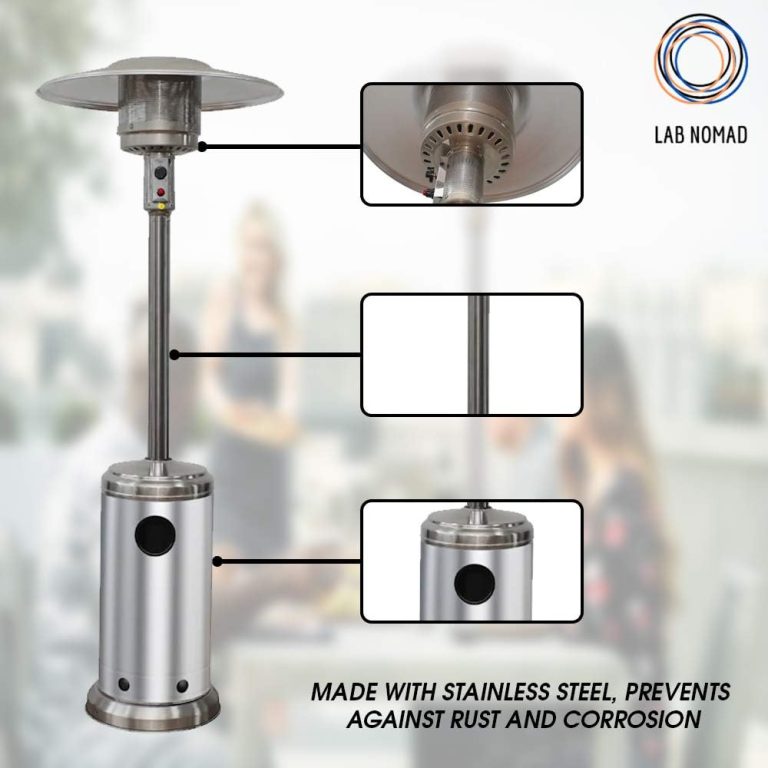
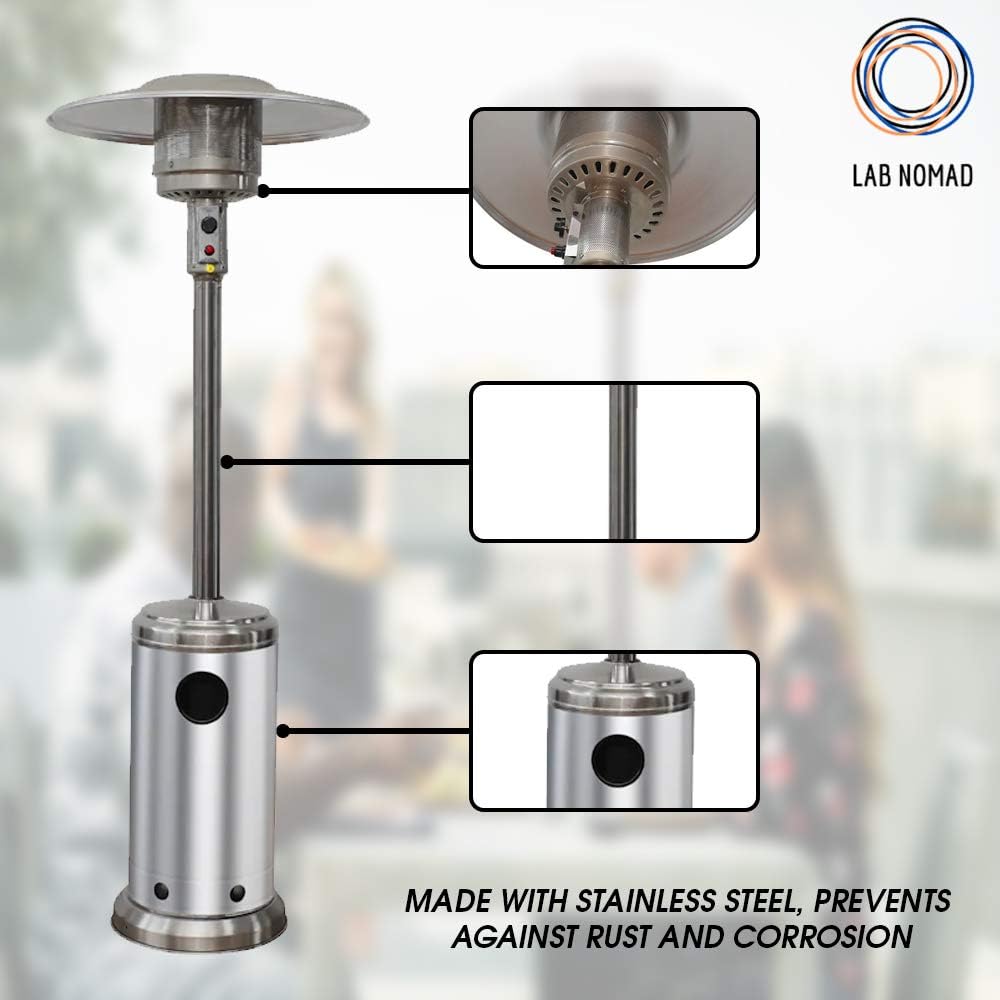
The fuel choice matters more than most buyers realize. Propane heaters are portable and powerful — you can move them where they’re needed and they heat up fast. The tradeoff is operational cost: a standard 48,000 BTU propane tower heater burns through a 20lb tank in about 10 hours at full blast, which works out to roughly $2–3/hour depending on propane prices in your area. For occasional weekend use, that’s negligible. For daily fall use, it adds up to $60–80/month.
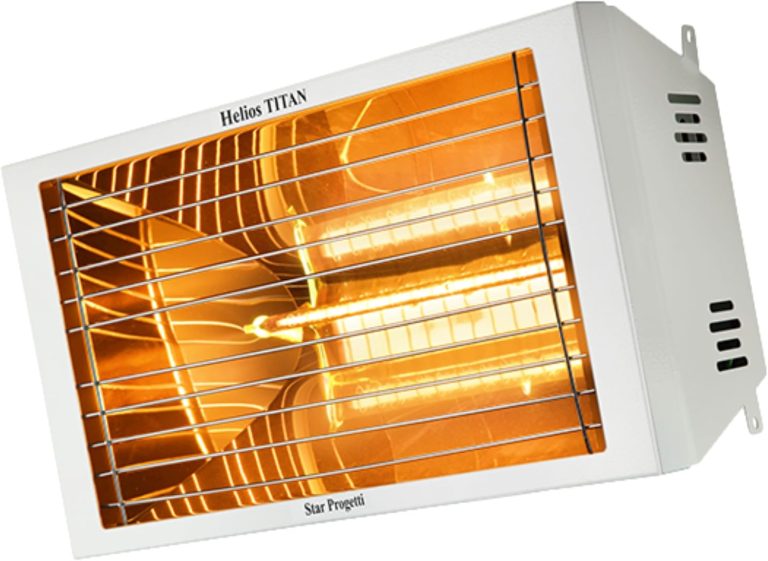
Infrared heaters — particularly electric wall-mount or ceiling-mount styles — cost less per hour to operate because they heat people and objects rather than warming the air (which just blows away). They’re best for covered patios and pergolas where you can mount them overhead. Downside: they’re fixed in place and require an outdoor-rated electrical circuit. If you don’t already have that wiring, factor in $150–400 for an electrician before comparing prices.
Natural gas heaters have the best long-term economics if you have a gas line near your patio, but the upfront cost of a gas line extension makes them a poor choice for anyone without existing access.
Break-Even Math by Heater Type
For a concrete example: a quality propane tower heater costs $150–250. If it extends your season by 8 weeks (2 evenings/week at 3 hours each), that’s 48 hours of additional outdoor use. At $2.50/hour propane cost, you’re spending $120 in fuel across the season. Total first-year cost: ~$350. Divided by 48 hours of use = ~$7.30/hour of outdoor entertaining you wouldn’t have otherwise had. Compare that to driving somewhere, paying for food and drinks, and the value calculation shifts fast.
The AmazonBasics 46,000 BTU Propane Patio Heater is the one I’d point most homeowners toward first — it puts out real heat at full blast, the auto-shutoff tilt safety works reliably, and it assembles without tools beyond a wrench. It’s not the fanciest heater on the market, but it earns its keep on an open deck or uncovered patio where portability matters.
For covered patios and screened porches, the Dr. Infrared Heater Outdoor Infrared Heater takes a different approach entirely — it mounts overhead and radiates directional heat downward. Infrared doesn’t warm the air, it warms whatever it hits. Sit within its cone of coverage and you’ll feel the difference within 30 seconds. The operating cost is also notably lower than propane at comparable heat output, assuming you have an outdoor outlet nearby.
What Actually Fails in the Break-Even Calculation
Most people over-estimate how often they’ll use an outdoor heater and under-estimate weather disruption. Wind kills radiant heaters — even a 10mph breeze makes a propane tower heater dramatically less effective because the warm air disperses immediately. If you have an exposed, windy patio with no windbreak, a heater is fighting physics. In that case, combining a heater with a windscreen or strategically placed planters matters more than which heater you buy.
The homeowners who get the best return from patio heaters are the ones with at least partial enclosure — a pergola with curtains, a covered patio, or an L-shaped fence line that blocks prevailing wind. If you don’t have that, read our guide to choosing the right outdoor patio heater for your setup before committing to a model. And if you’re thinking about a more complete seasonal setup, the backyard winterization guide covers how heaters fit into a broader fall prep plan.
The Short Answer on Break-Even
A propane heater pays for itself in one fall season for most homeowners who actually use their patio 2+ times per week. An infrared heater pays for itself faster in operating costs but requires the right setup to install. Either way, the decision isn’t really about money — it’s about whether you actually use your outdoor space enough to justify it. If you’re on the fence, rent a propane heater for a weekend first. You’ll know by Sunday night.