When Is It Too Late to Use a Fire Pit? (Seasonal Burn Restrictions by State)
This post contains affiliate links. We may earn a commission at no extra cost to you.
Fire pit season doesn’t end the same way in every state — and in some states, it doesn’t fully end at all. The combination of local ordinances, state burn restrictions, and HOA rules makes “when can I use my fire pit?” a question that genuinely depends on where you live. Here’s how to figure it out, and what to know before you light up in October.
State-Level Burn Restrictions: How They Work
Most states manage open burning through a combination of state forestry agencies and local air quality districts. The rules typically operate on two tracks: fire danger-based restrictions (tied to drought index and wind conditions) and seasonal air quality restrictions (tied to particulate matter concerns on cold, still nights).
In the West — California, Oregon, Washington, Colorado — fire danger restrictions are common from June through October. During Spare the Air or Red Flag days, recreational burning is prohibited regardless of local ordinances. These restrictions are published daily and can change with 24-hour notice. Burning during a restriction carries fines that start around $500 in California and go up significantly for repeat violations.
In the Southeast — Georgia, Florida, Alabama — the burn season is essentially reversed. Outdoor burning is often restricted from spring through early summer due to drought conditions, but fall and winter burning is generally permitted. Florida in particular has relatively permissive burning rules outside of urban areas in the cooler months.
In the Northeast and Midwest, air quality restrictions rather than fire danger typically drive the rules. Many states have no-burn advisories on temperature inversions — cold, still nights where smoke doesn’t disperse — which happen to be the most popular fire pit nights. Check your state air quality agency’s website; most publish a burn day calendar or have a hotline.
Local Ordinances Are a Separate Layer
State rules set the floor. Your city or county may be more restrictive. Cities frequently prohibit open fires within city limits entirely, or require permits for any burning outside a UL-listed fire pit enclosure. Even if your state allows burning, your municipality may not. The simplest check is to call your local fire non-emergency line or check your city’s municipal code online (search “[your city] recreational burning ordinance”).
HOA rules are yet another layer. Many HOAs prohibit wood-burning fires entirely and are quiet about gas fire tables. If you’re in an HOA and haven’t read your CC&Rs specifically for fire pit language, do that before buying anything with an open flame.
What’s Usually Allowed (When Everything Else Is Uncertain)
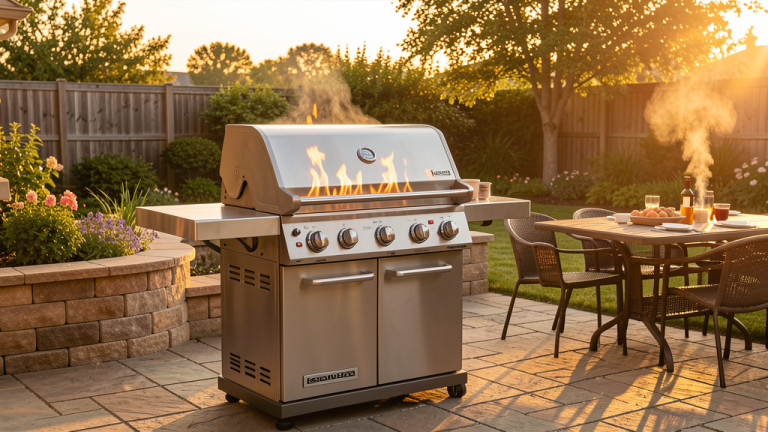
Gas and propane fire tables and fire pits are exempt from most burning restrictions because they don’t produce smoke particulates. If you’re in a restricted area or a dense neighborhood, a propane fire pit gives you the ambiance without the regulatory risk. This is increasingly the practical choice for suburban homeowners.
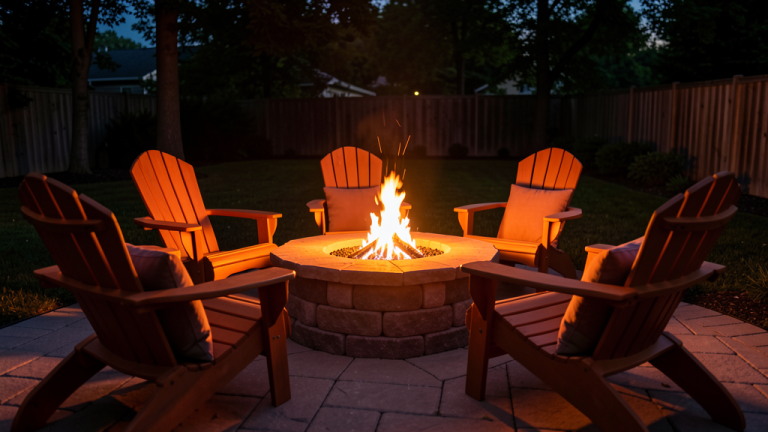
Wood-burning fire pits in a contained, raised bowl or ring are the most common setup and are generally permitted in rural and suburban areas outside of active restrictions. The key compliance factors: setback from structures (typically 25 feet minimum), a water source nearby, and burning only dry, clean wood — no trash, pressure-treated lumber, or wet wood that produces thick smoke.
The Right Fire Pit for Fall Use
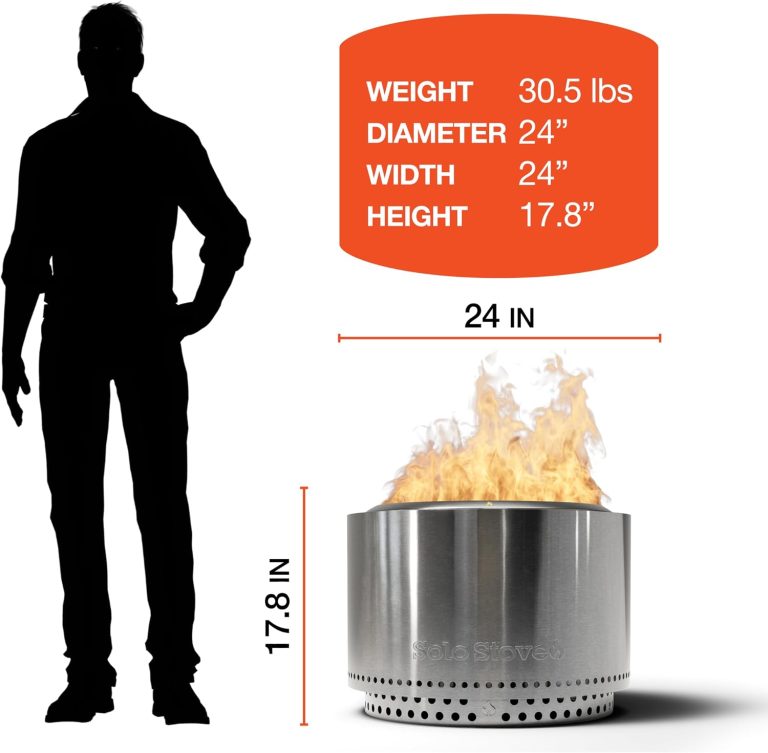
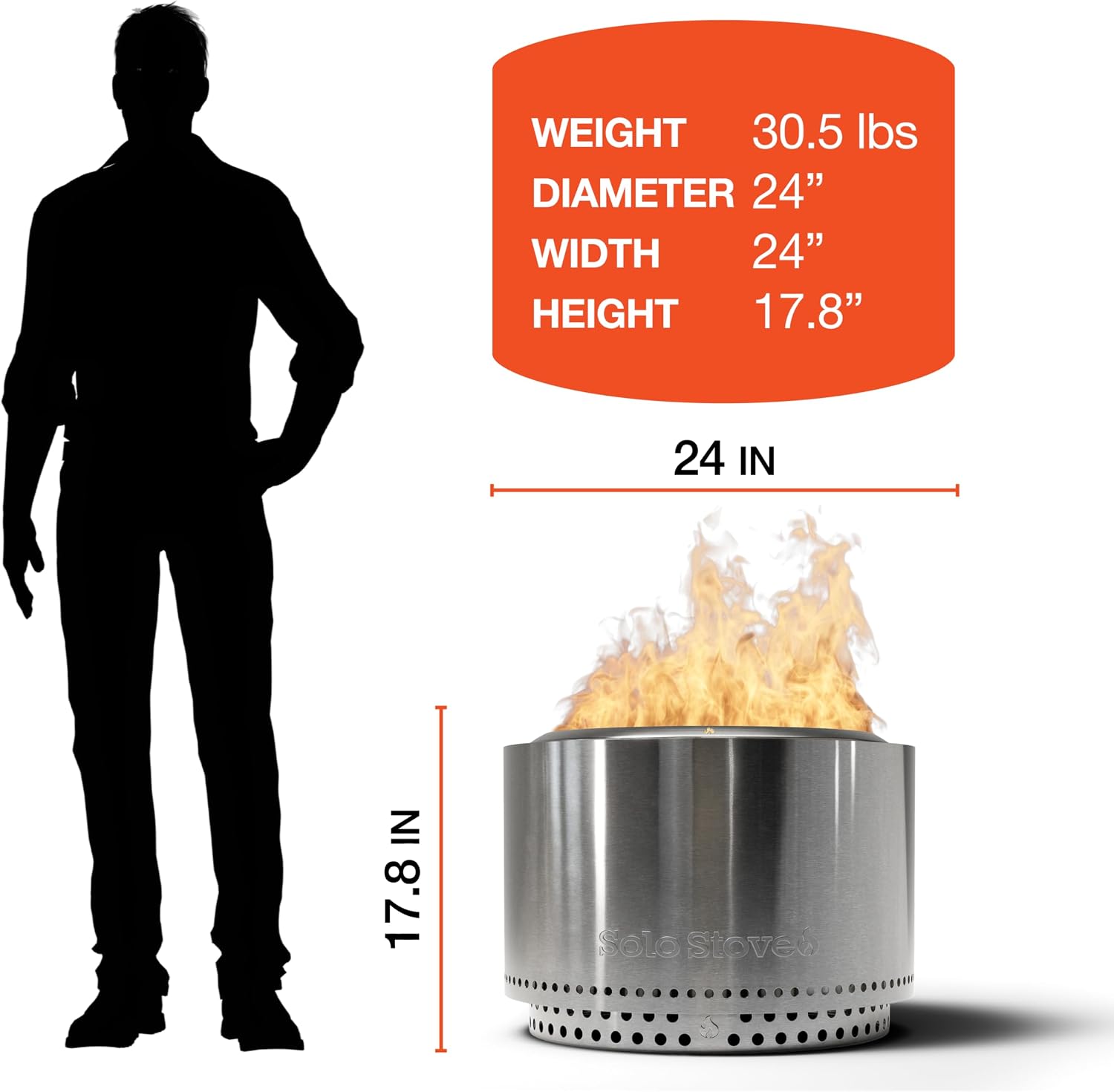
For a fire pit that handles real use through late fall, the Solo Stove Bonfire 2.0 earns its price because of how it burns. The double-wall design creates secondary combustion that dramatically reduces smoke output — which matters both for your enjoyment and for neighbor relations. Less smoke also means fewer complaints and less scrutiny from local ordinance enforcement. The 19.5-inch diameter is right for a group of 4–6 people; it puts out real heat without requiring you to build a bonfire.
Keep a fire extinguisher within reach during any fire pit use — not a garden hose, an actual extinguisher. A 2.5lb dry chemical extinguisher stored near your outdoor entertaining area costs $20–30 and handles embers that escape a pit in wind far faster than a hose does. For more on fire pit options by season, our guide to the best fire pits for fall 2026 covers the range from wood-burning to gas, and the outdoor Halloween lighting guide is worth reading if you’re setting up a full October outdoor entertaining setup.
How to Check Before You Burn
The practical check sequence: (1) Look up your state forestry agency’s current burn restrictions — most have a website that shows county-level status in real time. (2) Check your local air quality district for no-burn advisories. (3) Review your city’s outdoor burning ordinance. (4) Check your HOA rules if applicable. Five minutes of checking prevents an expensive citation and keeps you on good terms with neighbors.