Is a Backyard Pizza Oven Worth It? The Honest Cost Breakdown
This post contains affiliate links. We may earn a commission at no extra cost to you.
The honest answer to whether a backyard pizza oven is worth it depends on who’s asking — and most reviews won’t tell you that, because most reviews are written by people who already bought one and want to justify it.
The Purchase Price Tiers
Pizza ovens span a wider price range than almost any outdoor cooking category:
- Budget ($150–$350): Small portable ovens, typically gas-fired, 12–13″ pizza capacity. Think Ooni Fyra 12 or Bertello Go. These work well but have a steeper learning curve because the heat is less forgiving in a small chamber.
- Mid-range ($400–$800): Larger cooking surface (16″+), dual-fuel options (pellet + gas), better insulation. The sweet spot for most backyard cooks who want versatility without commitment to a permanent installation.
- Premium ($1,000–$1,500+): Ooni Karu 16, larger Bertello, or commercial-grade portable units like the VEVOR 22″ Dual Fuel Pizza Oven ($1,231, rated 4.8 stars) — these have the thermal mass and cooking surface to fire multiple 12–18″ pizzas in sequence without losing heat.
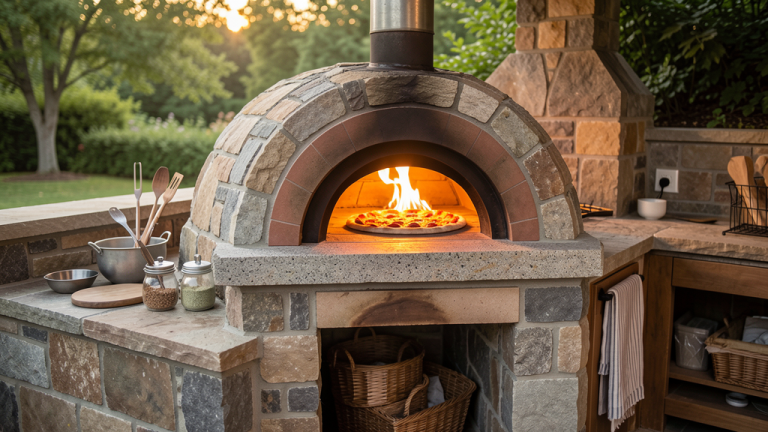
- Permanent/built-in ($3,000–$10,000+): Stone or brick ovens, either kit-built or custom. These are a different category — home improvement, not appliance.
Fuel Costs: What You Actually Pay to Cook
Wood-fired: about $0.50–$2.00 per cook session depending on wood cost in your area and how long you preheat. A 90-minute preheat to 800°F on hardwood costs roughly $1–$3 in wood — negligible.
Gas: most single-burner gas ovens use about 0.5 lbs of propane per hour at full blast. A 20 lb tank gets you 20+ preheat cycles for about $15–$20 in propane. Again, not a meaningful ongoing cost.
The fuel cost question doesn’t really matter for home use. It matters for commercial use. At home, what matters is convenience — gas is faster and easier, wood has better char and more romance.
The Learning Curve: This Is the Real Question
Pizza ovens require technique. You’re cooking at 700–900°F, which means a 90-second cook time with a 15-second margin between perfect and burned. The first 5–8 pizzas are experiments. Your crust will be undercooked or the top will burn before the bottom sets, or you’ll launch the pizza off the peel and lose it.
This learning curve is not a dealbreaker — it’s genuinely fun for people who enjoy cooking. But if you’re buying a pizza oven because you imagine effortless gourmet pizza nights, you’ll be frustrated for the first few sessions.
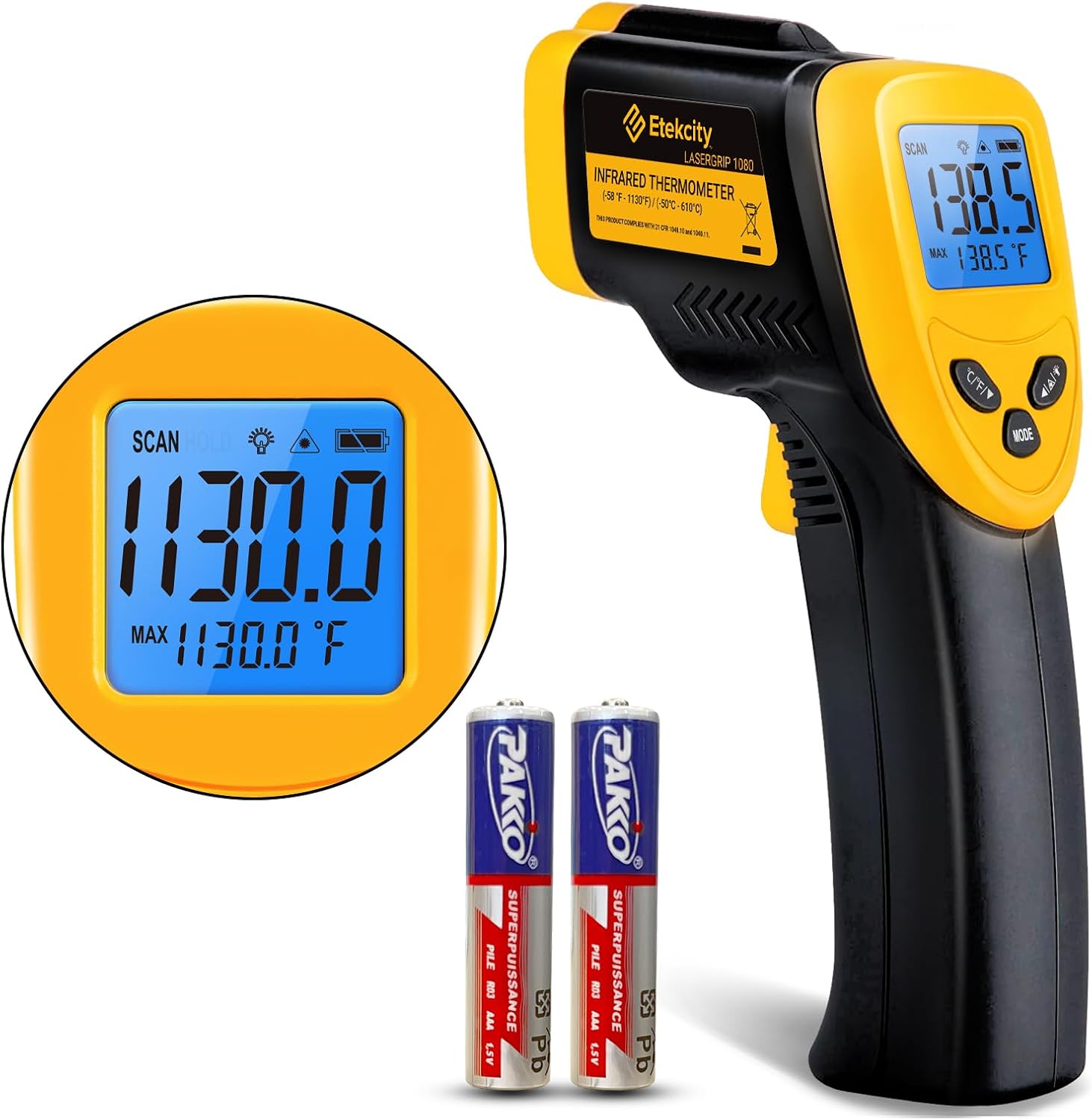
A good infrared thermometer is essential — not optional. The infrared thermometer for pizza ovens lets you verify stone temperature before every launch, which is the single most important variable in getting consistent results. Don’t skip it.
How Often Do People Actually Use Them?
Here’s the honest data from owner surveys: about 60% of pizza oven owners use them less than once a month after the first two months. The novelty fades, the setup time (30–45 min to preheat) competes with easier dinner options, and they end up as a weekend-when-we-have-guests appliance.
The 40% who use them regularly share two traits: they got good fast (because they accepted the learning curve), and they use it for more than pizza. A 700°F oven cooks steaks, flatbreads, roasted vegetables, fish, and dessert cookies brilliantly. If you’re only planning pizza, you’ll use it less. If you use it like a high-heat wood-fired oven for all outdoor cooking, frequency stays high.
Resale Value
Pizza ovens hold resale value surprisingly well — around 50–70% of purchase price for a lightly used unit in good condition. Ooni is particularly strong on the secondary market. A $500 oven can move for $250–$350 on Facebook Marketplace if you decide it’s not for you. This makes the real risk exposure about $150–$250 rather than $500.
For context, compare this with backyard sauna ROI — saunas have higher upfront cost but also hold value well and see consistent use from buyers who are committed to the lifestyle.
Who It IS For
- People who genuinely enjoy the cooking process, not just the eating
- Households that regularly host groups where interactive cooking is part of the experience
- Anyone who grills multiple times per week and wants to add a high-heat cooking tool
- Buyers who will use it for more than just pizza
Who It’s NOT For
- People who want dinner on the table in 20 minutes
- Occasional cooks who fire up the grill 4–5 times a year
- Anyone who finds the learning curve discouraging rather than interesting
- Buyers who already own a grill that can reach 600°F+ (you can get 80% of the results)
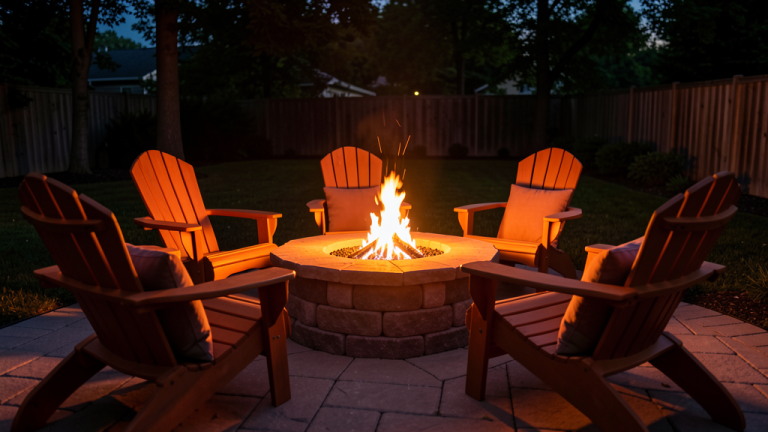
For more context on the wood-fired vs gas debate, see our wood-fired vs gas pizza oven breakdown, and check our best fire pits guide if you’re considering a fire pit as an alternative outdoor cooking and gathering focal point.
Bottom Line
A pizza oven is worth it if you’re a engaged cook who hosts regularly and will commit to the learning curve. Budget $400–$800 for a quality portable unit at the mid-range, add $25 for a decent infrared thermometer, and give yourself 8–10 cook sessions before judging the results. If you go in expecting magic on day one, you’ll be disappointed. Go in expecting a 3-week learning project and you’ll have a tool that changes your outdoor cooking game.
Related Products
- Infrared Thermometer for Pizza Ovens and Grills — Amazon
- VEVOR 22″ Dual Fuel Pizza Oven (Pellet & Gas, with Casters) — Vevor
As an Amazon Associate we earn from qualifying purchases. Vevor links are affiliate links.