Best Raised Garden Beds for 2026 — Top Kits for Every Budget
Bottom line up front: The Vego Garden 17-inch metal raised bed is the best overall — durable, easy to assemble, and deep enough for almost any vegetable. If you’re serious about growing your own food, a well-chosen raised bed is the single biggest upgrade you can make to your backyard garden. After researching dozens of kits and reviewing real-world grower feedback, these are the picks that consistently deliver results.
Why Raised Garden Beds Work
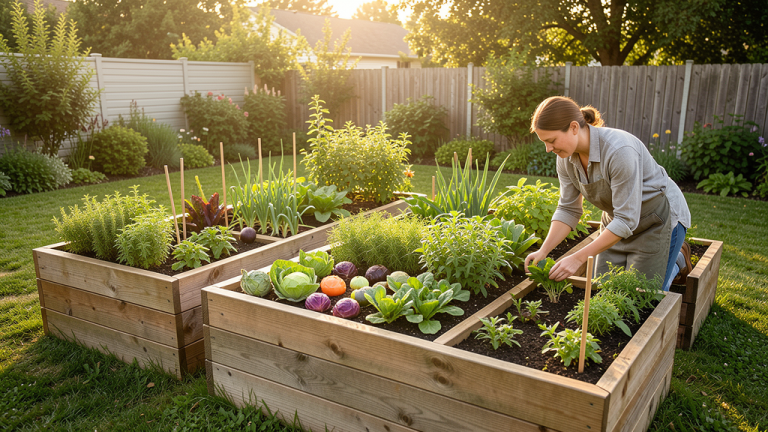
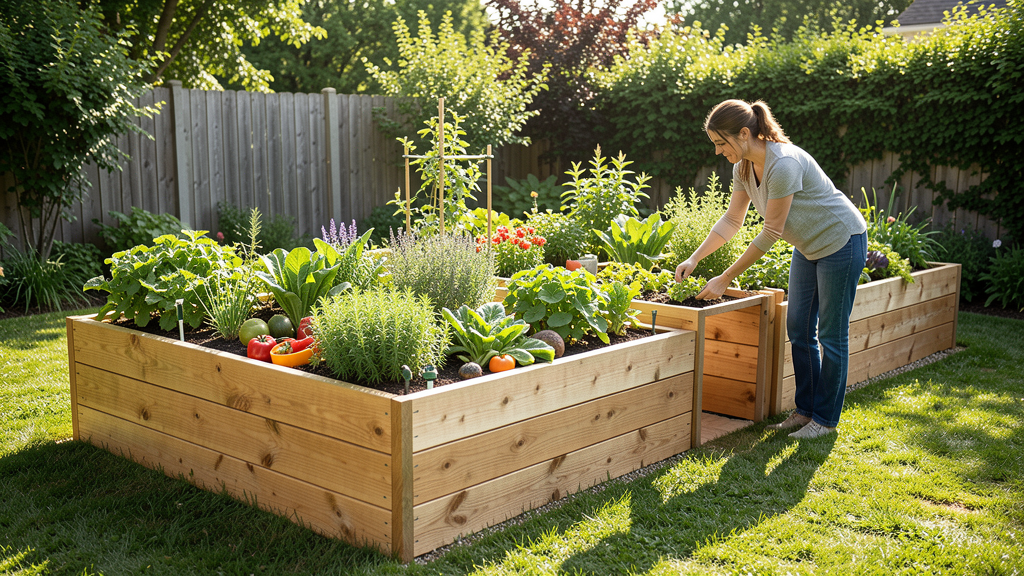
Ground-level gardening battles compacted soil, poor drainage, and back strain. Raised beds fix all three at once. You control soil quality from day one, drainage is built-in, and the elevated height reduces bending. Pest pressure drops significantly, and beds warm up faster in spring for earlier planting. Beyond the practical benefits, raised beds also bring structure and visual order to your outdoor space — they define a dedicated growing zone and make the whole yard look more intentional. Whether you’re growing tomatoes in the suburbs or herbs on a condo patio, there’s a raised bed size and material that fits your situation.
Our Top Picks
1. Vego Garden 17-Inch Metal Raised Bed — Best Overall
Price range: $129–$249 | Best for: Deep-rooted vegetables, permanent installations
Vego’s galvanized steel beds accommodate deep-rooted crops like tomatoes and carrots. Panels lock together without tools. The finish holds up for 20+ years. Available from 2×4 up to 6×16 feet. An in-ground liner keeps out burrowing pests. This is the best choice for serious home gardeners who want a permanent, professional-looking setup that won’t need replacing in a few seasons. Families growing significant amounts of produce will especially appreciate the generous sizing options and the 17-inch depth, which opens the door to virtually any crop.
2. Greenes Fence Premium Cedar — Best Wood Option
Price range: $59–$119 | Best for: Natural aesthetics, smaller budgets
Cedar is naturally rot-resistant and safe for edibles. Greenes’ panels dovetail together in minutes with no hardware. The 10.5-inch depth works for most herbs and greens. Lifespan: 10–15 years. This is the top pick for renters or gardeners who want a beautiful, natural look without breaking the bank — cedar blends seamlessly into any backyard aesthetic. It’s also a great starter option for beginners who aren’t ready to commit to a permanent metal installation.
3. Vegepod Large Self-Watering Bed — Best Premium
Price range: $299–$399 | Best for: Water conservation, patios, balconies
The 15-gallon self-watering reservoir wicks moisture to roots as needed, dramatically reducing watering frequency. The mesh cover protects from pests. Optional legs allow true stand-up gardening. The Vegepod is the best option for apartment dwellers, condo owners, or anyone with limited mobility who needs a solution that stands up off the ground entirely. It’s also ideal for gardeners who travel frequently — the reservoir can go a week or more without refilling under normal conditions.
4. Birdies 8-in-1 Metal Raised Bed — Best Modular
Price range: $149–$279 | Best for: Flexible layouts, expanding gardeners
Birdies’ modular panel system lets you configure beds in multiple shapes and sizes — L-shapes, U-shapes, or standard rectangles. The Corten steel develops a natural rust patina for an upscale look, or opt for powder-coated finishes in a range of colors. At 15 inches deep, it handles everything from lettuce to squash. Perfect for gardeners who want to start small and expand their setup year over year without buying an entirely new bed.
5. 247Garden Aeration Fabric Raised Bed — Best Budget
Price range: $18–$45 | Best for: Beginners, temporary gardens, tight budgets
Fabric beds offer excellent air-pruning for roots, preventing root-bound plants. They’re lightweight, foldable, and store flat in winter. These aren’t the most durable option, but for a first-season trial or a temporary setup, they’re hard to beat. Good for anyone unsure whether raised-bed gardening is for them before committing to a permanent installation.
What to Look For When Buying a Raised Garden Bed
Not all raised beds are created equal. Here’s what separates the beds that thrive for decades from the ones that warp, rot, or restrict your plants by year two.
Depth: Don’t Undersize
Depth is the single most important spec and the most common place shoppers cut corners. You need at least 6 inches for shallow-rooted herbs like basil and parsley, 10–12 inches for most vegetables including lettuce, peppers, and beans, and 17 inches or more for tomatoes, squash, and root vegetables like carrots and parsnips. Buying a deeper bed upfront costs more, but it pays off in dramatically better plant health and yields. Don’t size down just to save $20.
Material: Steel vs. Wood vs. Fabric
Galvanized steel is the undisputed longevity winner — modern galvanized and powder-coated beds are food-safe and can last 20–30 years with zero maintenance. Cedar is the premium wood choice: naturally rot-resistant, chemical-free, and attractive, with a typical lifespan of 10–15 years. Avoid pressure-treated lumber unless it’s labeled food-safe, as older treatments used arsenic compounds that can leach into soil. Fabric beds are cheap, breathable, and surprisingly effective for root health, but expect to replace them every 2–4 seasons.
Size and Layout
The golden rule: keep beds no wider than 4 feet so you can comfortably reach the center from both sides without stepping in. Length is flexible — 4×4, 4×8, and 4×12 are the most common. For multiple beds, leave at least 18 inches between them for wheelbarrow access and comfortable kneeling. If you’re working with limited space, consider vertical planters or stacked tiered beds to maximize your growing area per square foot.
Assembly and Hardware
Look for tool-free assembly or minimal hardware if you’re setting this up solo. Corner brackets that are included and pre-drilled are worth paying a small premium for. Avoid beds that require extensive cutting or specialized tools unless you’re comfortable with that kind of project. The best kits ship with everything you need, snap or bolt together in under an hour, and don’t wobble once assembled.
Frequently Asked Questions
What soil should I fill a raised bed with?
Mix 60% topsoil with 30% compost and 10% perlite for great drainage and fertility. Or use Mel’s Mix: 1/3 coarse vermiculite, 1/3 peat moss, 1/3 blended compost. Avoid filling with 100% native soil — it compacts quickly and suffocates roots. Budget around $30–$80 of soil mix per 4×4×12-inch bed, depending on your local suppliers.
Do raised beds need drainage holes?
Most raised beds are bottomless and drain naturally into the ground beneath — no action needed. If you’re placing a bed on a hard surface like concrete or a deck, you’ll want either a bed with a perforated bottom or a drainage layer of coarse gravel at the base. Solid-bottom beds placed directly on soil should have holes drilled every 6–8 inches to prevent waterlogging.
How long do raised beds last?
Galvanized or powder-coated steel: 20–30+ years. Cedar: 10–15 years with proper drainage. Composite/recycled plastic: 10–20 years with minimal UV degradation. Fabric grow bags: 2–4 seasons. The biggest longevity factor for wood beds is whether the bottom sits on soil (accelerates rot) or on feet/hardware cloth that keeps it elevated and dry.
Can I place a raised bed on concrete or a deck?
Yes, with caveats. You’ll need a solid-bottom bed or liner, a drainage layer, and you’ll want to consider the weight — a fully filled 4×8 bed can weigh 800–1,200 lbs. Most residential decks can handle this, but check your deck’s load capacity if you’re unsure. On concrete, drainage becomes critical; standing water will rot wood beds and can create mold issues under any material.
What can I grow in a raised bed?
Almost anything. Vegetables, herbs, flowers, strawberries, and small fruit bushes all thrive in raised beds. The only limitations are tree fruits that need deep taproots (apples, peaches) and very large sprawling crops like pumpkins that would need an enormous bed. Tomatoes, cucumbers, zucchini, peppers, kale, lettuce, carrots, beans, and herbs are all raised-bed superstars. Succession planting — replacing a harvested crop immediately with a new one — lets you get two or three harvests per bed per season.
Bottom Line
Raised garden beds are one of the best investments any backyard or patio can make. Vego Garden metal beds are the smart long-term play — buy once, plant for decades. Greenes Cedar delivers solid results at half the price and looks beautiful doing it. For small spaces and patios, the Vegepod’s self-watering system genuinely reduces the maintenance burden to almost nothing. Whatever your budget or space, getting into raised-bed gardening this season will pay dividends in fresh produce, reduced pest frustration, and a more satisfying outdoor experience.
Prices subject to change. We may earn a commission on qualifying purchases at no extra cost to you.
Related Guides
Disclosure: This post contains affiliate links. As an Amazon Associate and Vevor affiliate, Cabana Culture earns from qualifying purchases at no extra cost to you. See our full affiliate disclosure.