Best Raised Garden Bed Kits for 2026 — Top Picks for Beginners and Pros
Cabana Culture participates in Amazon Associates. See our affiliate disclosure.
affiliate linkQuick Answer: The best raised garden bed kits for 2026 combine durable materials, easy assembly, and great drainage. Whether you’re growing vegetables, herbs, or flowers, cedar and galvanized steel options are the top choices for longevity. Our top overall pick is the Vego Garden 17-inch metal raised bed — it’s rust-resistant, deep enough for root vegetables, and holds up in any climate.
Why Raised Garden Beds Are Worth It in 2026
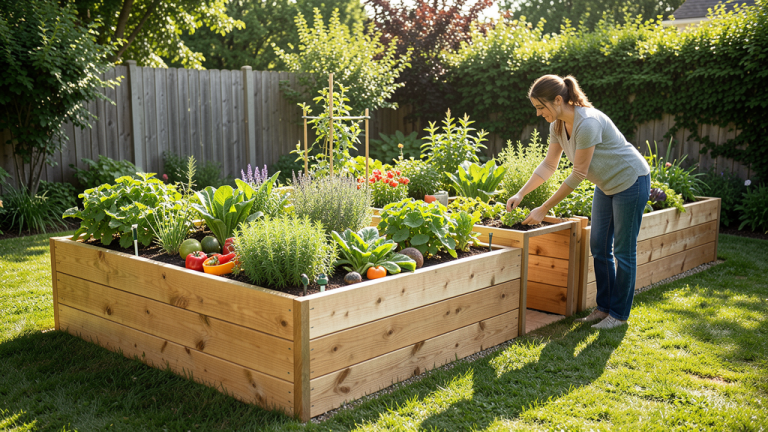
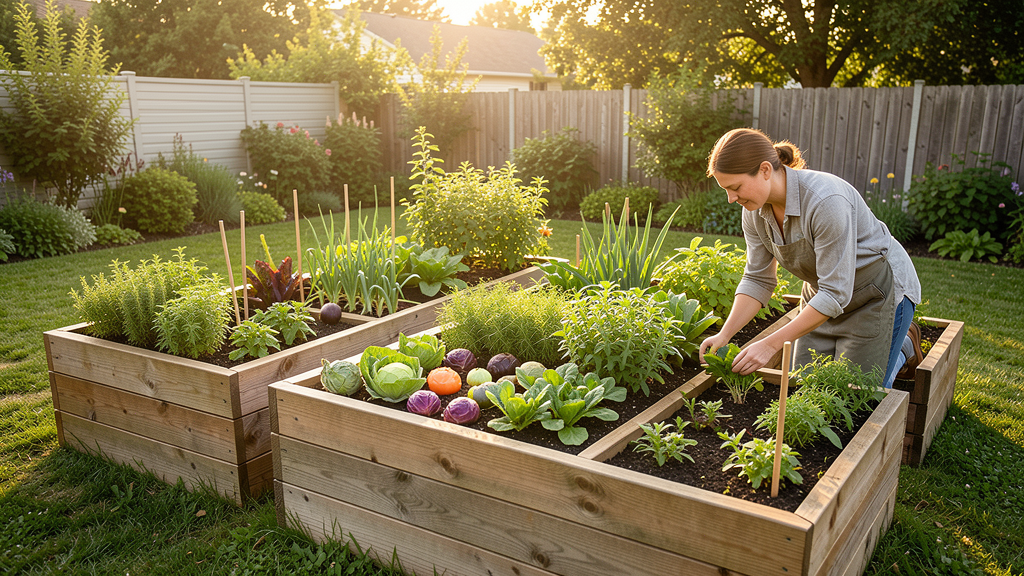
Raised garden beds have exploded in popularity — and for good reason. They give you complete control over soil quality, dramatically reduce weeding, and make gardening accessible even if your yard has poor native soil, rocks, or compacted clay. For suburban homeowners, they transform a plain lawn corner into a productive growing space that also looks polished and intentional.
But not all raised bed kits are created equal. Cheap wood warps and rots within a season. Thin metal gets dented and rusts. The kits that earn their price are built from thick-gauge galvanized steel, rot-resistant cedar, or composite materials that stay looking great for 5–20+ years. This guide cuts through the noise so you can invest wisely and start growing this season.
Top 5 Raised Garden Bed Kits for 2026
1. Vego Garden 17-Inch 9-In-1 Raised Garden Bed Kit
Vego Garden has become the gold standard in metal raised beds. This flagship 9-in-1 kit is made from ASTM 653 aluzinc galvanized steel — far thicker and more rust-resistant than cheaper competitors. At 17 inches tall, it’s deep enough for tomatoes, squash, and root vegetables without any bending over. The modular design lets you configure it in multiple shapes, and it comes with everything you need for assembly.
Best for: Serious gardeners who want a long-lasting, deep bed that handles any vegetable or flower.
Price range: $90–$180 depending on size
→ Check Vego Garden Raised Beds on Amazon
2. Greenes Fence Premium Cedar Raised Garden Bed
For those who prefer the classic look of wood, Greenes Fence premium cedar beds are the benchmark. They’re made from untreated Western Red Cedar — naturally rot-resistant and safe for growing edibles. The boards are 1.5 inches thick (most budget cedar beds use ¾-inch boards that warp quickly), and the corner pins lock everything together without tools. Available in multiple sizes from 4×4 up to 4×8.
Best for: Herb and vegetable gardeners who want a natural, food-safe, beautiful wood aesthetic.
Price range: $55–$130
→ Check Greenes Cedar Raised Beds on Amazon
affiliate link3. FOYUEE Galvanized Raised Garden Beds (Large Kit)
FOYUEE offers one of the best value galvanized steel kits on the market. These beds come in a large variety of sizes and are made from thick galvanized metal with a food-safe coating. They assemble in under 20 minutes with no tools required, and the smooth rolled edges won’t cut your hands or snag garden gloves. Available in forest green, black, and clay — colors that actually look great in a backyard.
Best for: Budget-conscious buyers who want metal durability at an accessible price point.
Price range: $45–$100
→ Check FOYUEE Raised Garden Beds on Amazon
4. Lifetime Products Raised Garden Bed (Heavy-Duty Plastic)
If neither wood nor metal is your preference, Lifetime’s high-density polyethylene beds are a legitimate third option. Made from UV-protected HDPE plastic, they won’t rot, rust, or warp — ever. They’re the easiest to clean, completely pest-resistant, and work great in humid climates where wood rots faster. The simulated wood grain texture actually looks good in a yard, and Lifetime backs them with a 10-year warranty.
Best for: Humid climates, coastal yards, or gardeners who want zero long-term maintenance.
Price range: $70–$140
→ Check Lifetime Raised Garden Beds on Amazon
5. Gardzen 4-Pack Grow Bags (Budget Starter Option)
Not every gardener needs a permanent raised bed. If you’re renting, have limited space, or just want to experiment before committing to a permanent structure, Gardzen fabric grow bags offer incredible flexibility. These heavy-duty felt bags come in a 4-pack with handles for easy moving, excellent drainage, and breathable walls that prevent root circling. A great entry point for beginners or balcony gardeners.
Best for: Renters, beginners, balconies, or tight spaces where permanent beds aren’t practical.
Price range: $25–$45 for a 4-pack
→ Check Gardzen Grow Bags on Amazon
affiliate linkRaised Garden Bed Buying Guide — What to Look for in 2026
Material: Cedar vs. Galvanized Steel vs. Plastic
This is the single biggest decision you’ll make. Cedar is the traditional choice — naturally rot-resistant, beautiful, and food-safe. Expect a quality cedar bed to last 7–15 years depending on your climate. Galvanized steel is currently the most popular material and can last 20+ years if the gauge is thick enough (look for 0.8mm or thicker). It heats up faster in spring, which extends your growing season. HDPE plastic is the no-maintenance option — it literally lasts forever and is ideal for humid or coastal climates. Avoid cheap treated pine (chemicals can leach), thin sheet metal (rusts quickly), and low-grade composite wood (falls apart).
Depth: How Deep Does Your Raised Bed Need to Be?
Depth determines what you can grow. As a rule of thumb: 6 inches is the minimum for herbs, lettuce, and shallow-rooted annuals. 8–10 inches handles most vegetables including peppers, eggplant, and beans. 12–17 inches is needed for tomatoes, squash, carrots, and potatoes. Many budget kits only offer 6-inch depth — which limits what you can grow and forces more frequent watering since the soil volume is smaller. If you’re investing in a permanent structure, go deeper. You’ll thank yourself when tomatoes and root vegetables thrive without restriction.
Size and Layout: 4×4 vs. 4×8 vs. Custom Shapes
The classic 4×4 raised bed is popular because you can reach the center from all sides without stepping in the bed — a key ergonomic advantage that protects soil structure. A 4×8 doubles your growing area but requires you to reach across from one end. For most suburban backyards, two 4×4 beds or one 4×8 is a practical starting point. Modular kits from brands like Vego let you configure L-shapes, U-shapes, or custom layouts — great for wrapping around a corner of your yard or maximizing an awkward space.
Assembly and Accessories
The best kits assemble without tools in 15–30 minutes. Avoid anything that requires drilling or complex fasteners. Look for kits that include corner brackets, hardware, and clear instructions. Useful accessories to consider: a weed barrier liner (prevents grass from growing up into your bed), a drip irrigation kit designed for raised beds, and a row cover or cloche system for extending your growing season into fall. Many brands sell these as add-ons — buying them as a bundle is usually more cost-effective than sourcing separately.
Frequently Asked Questions About Raised Garden Beds
What do you put in the bottom of a raised garden bed?
Start with a layer of cardboard or landscape fabric to block weeds from below. Then fill with a mix of topsoil, compost, and coarse material (aged wood chips, perlite, or coco coir) to promote drainage. The popular “Mel’s Mix” — ⅓ compost, ⅓ peat moss or coco coir, ⅓ coarse vermiculite — is a proven formula that produces exceptional results. Avoid using straight topsoil from your yard, which compacts over time and drains poorly in a raised structure.
Are galvanized steel raised beds safe for vegetables?
Yes — galvanized steel raised beds are safe for food growing. The zinc coating used in galvanization is the same material found naturally in soil, and studies have not shown any harmful leaching into plants at levels that would pose health risks. Quality brands like Vego use food-grade coatings on interior surfaces. The concern about galvanized beds is largely a myth perpetuated online. Millions of gardeners grow vegetables in galvanized beds without issue.
How long do raised garden beds last?
It depends entirely on the material. Cheap thin-walled steel beds may rust and fail in 3–5 years. Thick galvanized steel from quality brands lasts 20–30 years. Untreated Western Red Cedar typically lasts 7–15 years depending on climate and whether you seal it. HDPE plastic beds essentially last indefinitely. Fabric grow bags last 3–7 years. Buy quality once rather than cheap repeatedly — the math almost always favors the premium option over a 10-year horizon.
Can I put a raised garden bed on a concrete patio or deck?
Yes — raised beds work great on concrete, pavers, and decks. On concrete or pavers, make sure there are drainage holes (most metal and plastic beds have these). On wooden decks, use a waterproof liner inside the bed and place a barrier underneath to protect your deck surface from moisture. Deeper beds (12″+) are especially important on hard surfaces since you’re providing all the rooting depth yourself. Some gardeners on rooftop patios and balconies use fabric grow bags specifically for this reason — they’re lightweight and easier to reposition.
Cabana Culture participates in Amazon Associates. See our affiliate disclosure.
Disclosure: This post contains affiliate links. As an Amazon Associate and Vevor affiliate, Cabana Culture earns from qualifying purchases at no extra cost to you. See our full affiliate disclosure.